

Hey there! As a felt wheel supplier, I often get asked a bunch of questions about our products. One question that pops up quite a bit is, "Are felt wheels resistant to heat?" Today, I'm gonna dig deep into this topic and share everything you need to know.
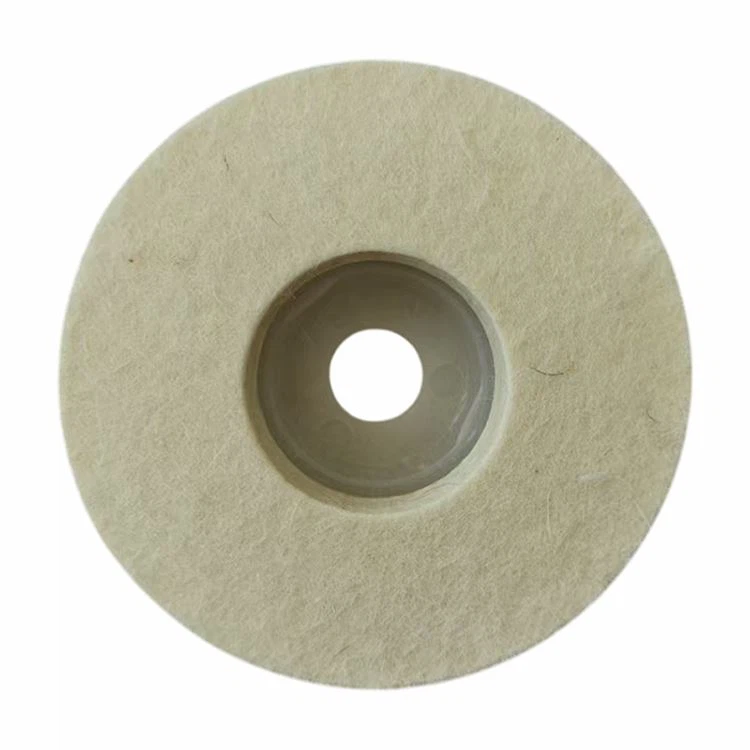
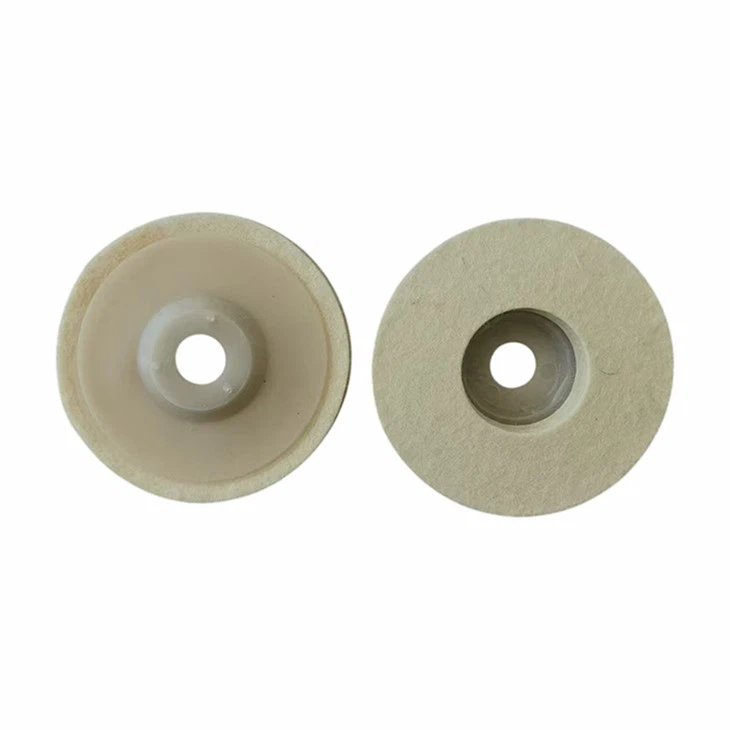
First off, let's talk about what felt wheels are. Felt wheels are made from compressed fibers, usually wool. They're used in a variety of industries, from jewelry making to metal polishing. They're great for getting a smooth finish on all sorts of materials.
Now, let's get to the main question: are they heat-resistant? Well, it depends. Felt wheels, especially Wool Felt Wheel, have some natural heat resistance. Wool is a pretty amazing material. It's got a high ignition point, which means it doesn't catch fire easily. When you're using a felt wheel for polishing, there's friction, and friction generates heat. The wool fibers in the felt wheel can handle a certain amount of that heat without melting or deforming right away.
But here's the deal. Felt wheels aren't indestructible when it comes to heat. If you push them too hard, say by using them at extremely high speeds or with too much pressure, the heat can build up. And when that happens, the felt can start to break down. The fibers can get singed, and the wheel might lose its shape. This can affect the quality of your work, and you'll end up with a less-than-perfect finish.
For those of you who need a high-performance felt wheel that can handle more heat, our Premium Wool Polishing Wheel is a great option. These wheels are made with top-quality wool and are designed to withstand higher temperatures. They're perfect for heavy-duty polishing jobs where heat is a major concern.
In industrial settings, like when using Machinery Wool Felt Wheel, heat management is super important. These wheels are often used in high-speed machinery, and the heat generated can be intense. That's why it's crucial to use the right lubricants and coolants. Lubricants reduce friction, which in turn reduces heat. Coolants help dissipate the heat that's already been generated. By using these in combination with a good-quality felt wheel, you can keep the heat under control and extend the life of your wheel.
Another factor to consider is the environment in which you're using the felt wheel. If you're working in a hot environment, like a factory with poor ventilation, the heat from the friction will have a harder time dissipating. This means the felt wheel will be exposed to higher temperatures for longer periods. In these situations, you need to be extra careful and make sure you're taking all the necessary precautions to prevent overheating.
So, how can you tell if your felt wheel is overheating? There are a few signs to look out for. If you notice a burning smell, that's a clear indication that the felt is getting too hot. You might also see discoloration on the wheel, or it might start to shed fibers more than usual. If you experience any of these signs, stop using the wheel immediately. Let it cool down, and check for any damage. If the damage is minor, you might be able to continue using the wheel after making some adjustments. But if it's severely damaged, it's probably time to replace it.
Now, let's talk about maintenance. Proper maintenance can go a long way in ensuring the heat resistance of your felt wheel. Keep your wheels clean. Dirt and debris can increase friction, which leads to more heat. You can clean your felt wheels with a soft brush or by using a mild detergent. Make sure to dry them thoroughly before using them again.
Also, store your felt wheels in a cool, dry place. Extreme temperatures and humidity can affect the quality of the felt. If you store them in a hot and humid environment, the fibers can start to break down over time, making the wheel less heat-resistant.
In conclusion, felt wheels do have some heat resistance, but it's not unlimited. By choosing the right type of felt wheel for your job, using proper lubricants and coolants, and taking good care of your wheels, you can maximize their heat resistance and get the most out of them.
If you're in the market for high-quality felt wheels, whether it's for a small DIY project or a large industrial application, I'd love to help. We've got a wide range of felt wheels to choose from, and our team is always here to answer any questions you might have. Don't hesitate to reach out if you're interested in learning more or if you're ready to place an order. Let's work together to find the perfect felt wheel for your needs.
References
- Textile Institute. "Properties of Wool Fibers." Journal of Textile Science, 2018.
- Industrial Machinery Handbook. "Heat Management in Polishing Operations." 3rd Edition, 2020.