

Felt wheels are widely used in various industries for polishing, buffing, and finishing applications. As a felt wheel supplier, I often get asked whether felt wheels require special handling. In this blog post, I'll delve into this question, exploring the characteristics of felt wheels, the factors that might necessitate special handling, and best practices for their care and use.
Understanding Felt Wheels
Felt wheels are typically made from natural wool or synthetic fibers. Natural wool felt wheels, such as our Pure Wool Polishing Pad and Premium Wool Polishing Wheel, offer excellent absorption and distribution of polishing compounds. The wool fibers are soft and flexible, conforming to the shape of the workpiece and providing a uniform finish. On the other hand, synthetic felt wheels, like our Machinery Wool Felt Wheel, are known for their durability and resistance to wear.
Factors That May Require Special Handling
1. Material Sensitivity
Natural wool felt wheels are more sensitive to moisture and chemicals compared to synthetic ones. Excessive moisture can cause the wool fibers to shrink, lose their shape, and even promote the growth of mold and mildew. Chemicals, such as strong acids or alkalis, can damage the wool fibers, reducing the effectiveness of the felt wheel. Therefore, when using natural wool felt wheels, it's important to keep them dry and avoid contact with harsh chemicals.
2. Static Electricity
Felt wheels can generate static electricity during use, especially in dry environments. Static electricity can attract dust and debris, which can contaminate the felt wheel and affect the quality of the finish. To prevent static buildup, it's advisable to use an anti - static spray or work in a humidified environment.
3. Abrasive Loading
When using felt wheels for polishing, abrasive particles from the polishing compound can become embedded in the felt fibers. Over time, this can lead to abrasive loading, where the felt wheel loses its cutting ability and becomes less effective. Special handling is required to prevent and address abrasive loading.
Best Practices for Handling Felt Wheels
1. Storage
Proper storage is crucial for maintaining the quality of felt wheels. Store felt wheels in a cool, dry place away from direct sunlight. If possible, store them in a sealed container or a plastic bag to protect them from dust and moisture. For natural wool felt wheels, adding a desiccant packet to the storage container can help absorb any excess moisture.
2. Cleaning
Regular cleaning of felt wheels can prevent abrasive loading and extend their lifespan. For light cleaning, you can use a soft brush to remove loose debris from the surface of the felt wheel. For more thorough cleaning, soak the felt wheel in a mild detergent solution and gently agitate it. Rinse the felt wheel thoroughly with clean water and allow it to dry completely before using it again.
3. Installation and Use
When installing a felt wheel on a polishing machine, make sure it is properly centered and secured. Use the correct arbor size and ensure that the nuts or bolts are tightened to the recommended torque. During use, apply the polishing compound evenly to the felt wheel to ensure a uniform finish. Avoid applying too much pressure, as this can cause excessive wear on the felt wheel and the workpiece.
4. Inspection
Regularly inspect felt wheels for signs of wear, damage, or contamination. If you notice any frayed edges, loose fibers, or excessive abrasive loading, it may be time to replace the felt wheel. Inspecting the felt wheel before each use can help prevent quality issues and ensure safe operation.
Special Handling in Different Industries
1. Jewelry Industry
In the jewelry industry, felt wheels are used for delicate polishing and finishing of precious metals and gemstones. Special handling is required to avoid scratching the jewelry. Use a fine - grit polishing compound and a soft - grade felt wheel. Also, clean the felt wheel frequently to prevent cross - contamination between different types of metals and gemstones.
2. Automotive Industry
In the automotive industry, felt wheels are used for polishing and buffing car bodies, wheels, and other parts. The large size and high - speed operation of the polishing machines in this industry require careful handling. Make sure the felt wheel is properly balanced to prevent vibration, which can cause uneven finishes and damage to the workpiece.
Conclusion
So, do felt wheels require special handling? The answer is yes, especially for natural wool felt wheels and in certain applications. By understanding the factors that affect felt wheels and following the best practices for handling, storage, cleaning, and use, you can ensure the longevity and effectiveness of your felt wheels.

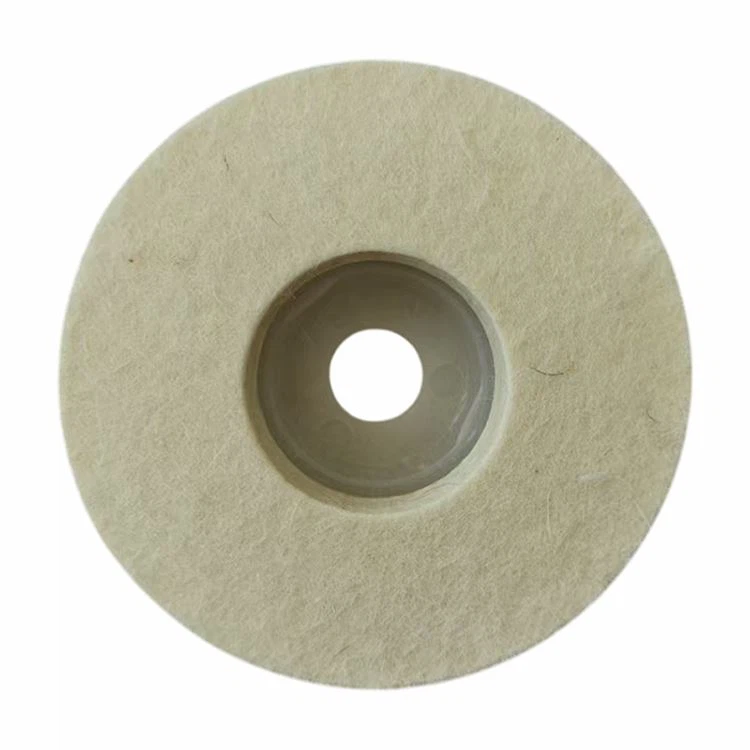
As a felt wheel supplier, we are committed to providing high - quality felt wheels and offering professional advice on their handling and use. If you have any questions about our Pure Wool Polishing Pad, Premium Wool Polishing Wheel, Machinery Wool Felt Wheel, or need assistance with felt wheel selection and handling, please don't hesitate to contact us for a procurement negotiation. We look forward to serving you and helping you achieve the best results in your polishing and finishing operations.
References
- "Handbook of Industrial Polishing and Finishing" - A comprehensive guide on polishing tools and techniques.
- "Textile Materials and Their Properties" - Provides in - depth knowledge about the properties of natural and synthetic fibers used in felt wheels.