

As a leading supplier of cutting discs for metal, I often encounter various inquiries from customers regarding the compatibility of our products with different materials. One question that has piqued my interest recently is whether a cutting disc for metal can be used on osmium. Osmium is a fascinating element, known for its extreme density and unique properties. In this blog post, I will delve into the science behind cutting discs, the characteristics of osmium, and explore the feasibility of using a metal cutting disc on this rare and precious metal.
Understanding Cutting Discs for Metal
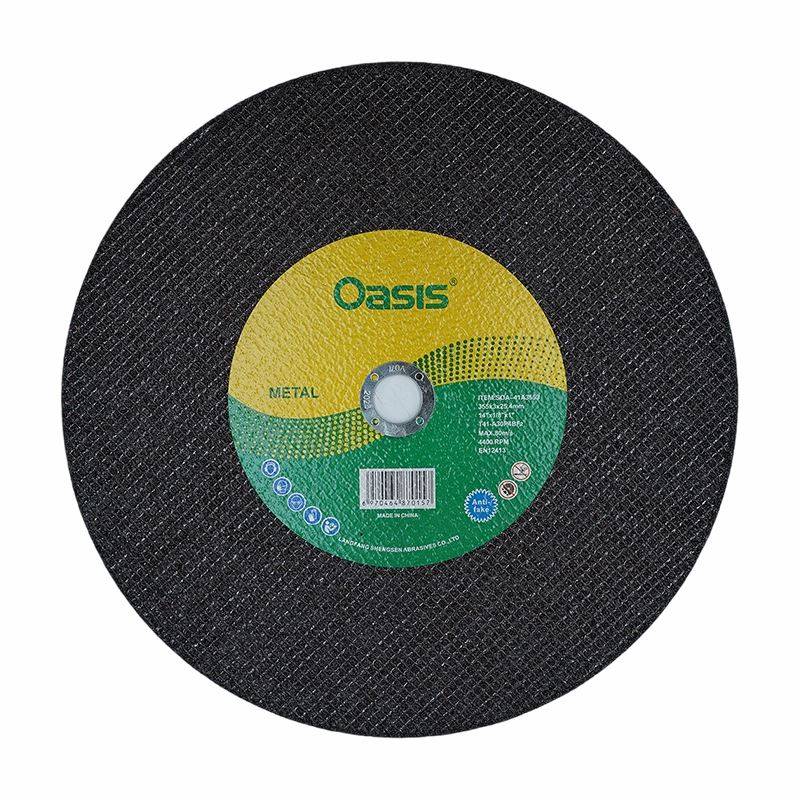
Cutting discs for metal are essential tools in various industries, including manufacturing, construction, and automotive. These discs are designed to cut through different types of metals, such as steel, aluminum, and copper, with precision and efficiency. They come in different sizes, shapes, and materials, each tailored to specific cutting applications.
The most common types of cutting discs for metal include Universal Cutting Disc, Diamond Cutting Disc, and Rail Cutting Disc. Universal cutting discs are versatile and can be used for a wide range of metals. Diamond cutting discs, on the other hand, are specifically designed for cutting hard materials, such as ceramics and stones, as well as some metals. Rail cutting discs are used for cutting railway tracks and other heavy-duty applications.
The cutting action of a metal cutting disc is based on abrasion. The disc is made up of abrasive particles, such as aluminum oxide or silicon carbide, bonded together by a resin or other binding material. When the disc rotates at high speed, the abrasive particles grind against the metal surface, removing material and creating a cut.
The Properties of Osmium
Osmium is a chemical element with the symbol Os and atomic number 76. It is a hard, brittle, bluish-white transition metal in the platinum group that is found as a trace element in alloys, mostly in platinum ores. Osmium is the densest naturally occurring element, with a density of 22.59 g/cm³, which is about twice as dense as lead.
One of the most remarkable properties of osmium is its extreme hardness. It has a Mohs hardness of 7, which is comparable to that of quartz. This hardness makes osmium resistant to scratching and wear, but it also poses a challenge when it comes to cutting or machining.
In addition to its hardness, osmium is also highly resistant to corrosion and oxidation. It forms a thin, protective oxide layer on its surface, which prevents further corrosion. This property makes osmium suitable for use in applications where resistance to corrosion is crucial, such as electrical contacts and fountain pen tips.
Can a Cutting Disc for Metal be Used on Osmium?
The short answer is no. Using a cutting disc for metal on osmium is not recommended for several reasons. First, the extreme hardness of osmium makes it difficult to cut with a conventional metal cutting disc. The abrasive particles on the disc may not be able to effectively grind through the osmium surface, resulting in a slow and inefficient cutting process.
Second, osmium is a very brittle metal. When subjected to the high forces and vibrations generated by a cutting disc, it is prone to cracking and shattering. This can not only damage the cutting disc but also pose a safety hazard to the operator.
Finally, osmium is a rare and precious metal, with a high market value. Using a cutting disc for metal on osmium can cause significant damage to the material, reducing its value and making it unsuitable for its intended use.
Alternative Methods for Cutting Osmium
If you need to cut osmium, there are several alternative methods that are more suitable and less likely to cause damage. One option is to use a diamond saw blade. Diamond is the hardest known material, and a diamond saw blade can effectively cut through osmium with precision and minimal damage.
Another option is to use electrical discharge machining (EDM). EDM is a non-traditional machining process that uses electrical discharges to remove material from a workpiece. It is particularly suitable for cutting hard and brittle materials, such as osmium, as it does not require direct contact between the tool and the workpiece.
Laser cutting is also a viable option for cutting osmium. Laser cutting uses a high-powered laser beam to melt and vaporize the material, creating a clean and precise cut. It is a non-contact process, which means that there is no mechanical stress on the osmium, reducing the risk of cracking and shattering.
Conclusion
In conclusion, using a cutting disc for metal on osmium is not recommended due to the extreme hardness and brittleness of the material. Instead, alternative methods such as diamond saw blades, electrical discharge machining, or laser cutting should be used. As a supplier of cutting discs for metal, I understand the importance of using the right tool for the job. If you have any questions or need further advice on cutting or machining osmium, please do not hesitate to contact me. I am always happy to help and provide you with the best solutions for your specific needs.
If you are interested in purchasing high-quality cutting discs for metal for your regular metal cutting applications, we offer a wide range of products to meet your requirements. Please feel free to contact us for more information and to discuss your procurement needs. We look forward to working with you and providing you with the best cutting solutions.

References
- "Osmium." Wikipedia. Wikimedia Foundation, 2023.
- "Cutting Discs for Metal." Tooling U-SME. Accessed 2023.
- "Machining of Hard and Brittle Materials." ASM International. Accessed 2023.