

Hey there! As a flap disc supplier, I get asked a lot of questions about our products. One question that pops up quite often is, "Can a damaged flap disc still be used?" Well, let's dive right into this topic and find out.
First off, let's understand what a flap disc is. A flap disc is a type of abrasive tool used for grinding, blending, and finishing metal and other materials. It consists of multiple overlapping abrasive flaps attached to a backing plate. Flap discs come in different types, like the Shaft-mounted Flap Wheel and the Universal Flap Disc. Each type has its own unique features and uses, but they all share the same basic structure.
Now, when we talk about a damaged flap disc, we're referring to different kinds of damage. It could be a few flaps that are torn or missing, a cracked backing plate, or even some kind of internal damage that's not immediately visible. So, can you still use it? The answer isn't a simple yes or no; it depends on the extent and type of damage.
Let's start with minor damage, like a few torn or missing flaps. In some cases, a flap disc with a small number of damaged flaps can still be used, but there are some things to keep in mind. The main function of the flaps is to provide a consistent abrasive surface. When a few flaps are damaged, the disc might still work, but the grinding or finishing result could be affected. You might notice uneven surfaces or a slower grinding speed. Also, if the damaged flaps are near the edge of the disc, they could potentially come loose during operation, which is a safety hazard.
If you decide to use a flap disc with minor flap damage, it's important to do a visual inspection before each use. Check for any loose flaps or signs of further damage. And always wear appropriate safety gear, like safety glasses and gloves. You should also reduce the pressure and speed when using the disc to minimize the risk of further damage and ensure a more even finish.
On the other hand, if the backing plate is cracked, that's a different story. The backing plate provides the structural support for the flaps. A cracked backing plate can cause the disc to become unstable during operation, which is extremely dangerous. The disc could break apart, sending pieces flying at high speeds. In this case, it's a definite no-go. You should never use a flap disc with a cracked backing plate. It's not worth the risk to your safety.
Internal damage is another issue. Sometimes, damage might not be visible on the outside, but it could still affect the performance of the disc. For example, if the bonding between the flaps and the backing plate is weakened, the flaps could start to come off more easily. Or if there's damage to the abrasive material inside the flaps, the disc might not grind or finish as effectively. Unfortunately, it's hard to detect internal damage without taking the disc apart, which isn't practical. So, if you suspect internal damage, it's best to err on the side of caution and replace the disc.
There are also some legal and liability aspects to consider. In many industries, there are safety regulations regarding the use of abrasive tools. Using a damaged flap disc could violate these regulations, which could lead to fines or other penalties. And if an accident occurs because of a damaged disc, you could be held liable. So, it's not just about the immediate performance of the disc; it's also about following the rules and protecting yourself from potential legal issues.
Now, let's talk about when it's time to replace a flap disc. As a general rule, if the damage is significant enough to affect the performance or safety of the disc, it should be replaced. But how do you know when that's the case? Well, here are some signs to look for. If the disc is grinding much slower than usual, if it's leaving uneven marks on the material, or if you notice excessive vibration during operation, these could all be signs that the disc is worn out or damaged. Also, if the disc has reached the end of its recommended lifespan, it's time for a new one.
As a flap disc supplier, I always recommend using high-quality products and taking proper care of them. Regular maintenance, like cleaning the disc after each use and storing it in a dry place, can help extend its lifespan. And when it comes to damaged discs, don't take chances. Replace them when necessary to ensure the best results and the highest level of safety.
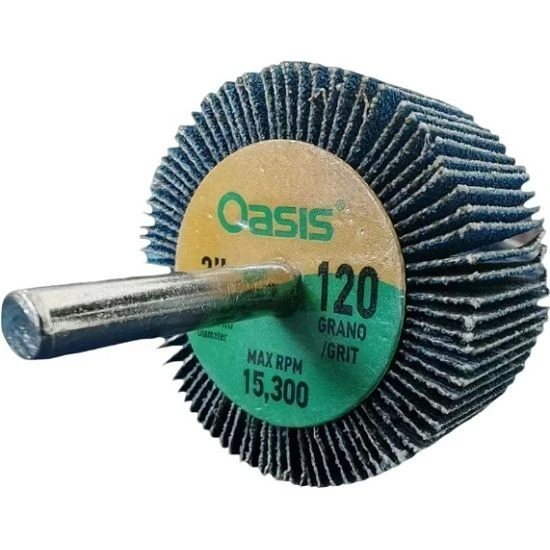

If you're in the market for flap discs, whether it's the Shaft-mounted Flap Wheel or the Universal Flap Disc, we've got you covered. We offer a wide range of flap discs that are designed to meet the needs of different industries and applications. Our products are made from high-quality materials and are built to last.
If you have any questions about our flap discs or need help choosing the right one for your project, don't hesitate to reach out. We're here to help you make the best decision. Whether you're a professional in the metalworking industry or a DIY enthusiast, we can provide you with the information and support you need. So, if you're interested in purchasing flap discs, let's start a conversation. We're ready to assist you with your procurement needs and make sure you get the best products for your money.
In conclusion, while a flap disc with minor damage might be usable in some cases, it's important to assess the damage carefully and consider the safety and performance implications. When in doubt, it's always better to replace the disc. And if you're looking for reliable flap discs, we're here to be your supplier. Contact us today to start the procurement process and get the best flap discs for your projects.
References
- Abrasive Tool Safety Standards Handbook
- Metalworking Industry Best Practices Guide