

Hey there! As a flap disc supplier, I often get asked a bunch of questions about what these nifty tools can and can't do. One question that pops up quite a bit is, "Can a flap disc be used for removing paint?" Well, let's dig into this topic and find out.
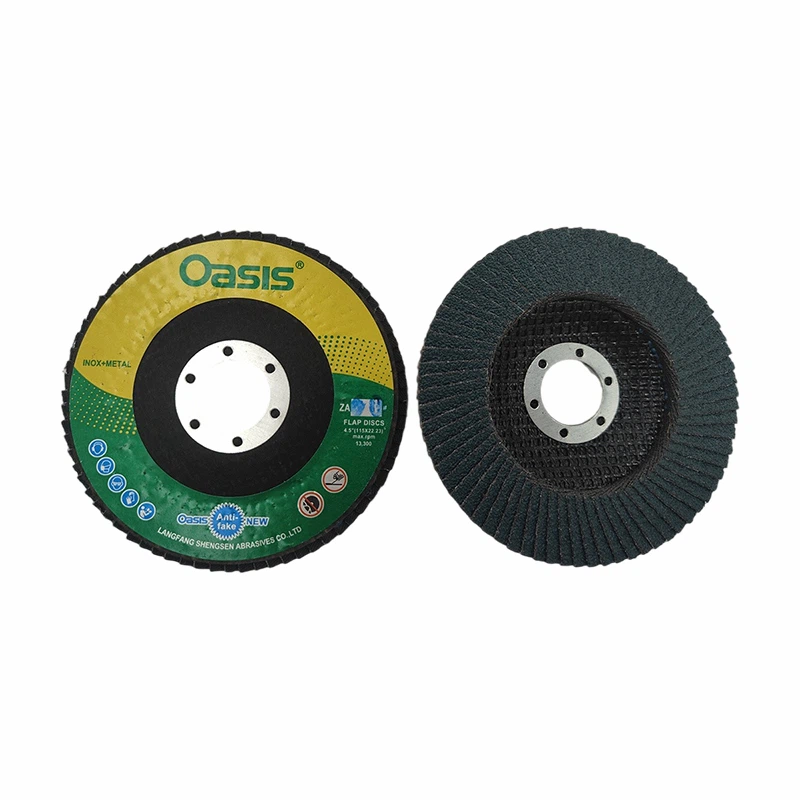
First off, let's talk a bit about what a flap disc actually is. A flap disc is a type of abrasive tool made up of multiple overlapping abrasive flaps that are attached to a backing plate. These flaps are usually made of materials like aluminum oxide or zirconia alumina, which are known for their cutting power and durability. Flap discs come in different shapes, sizes, and grits, and they're commonly used in metalworking, woodworking, and other industries for grinding, finishing, and deburring.
Now, back to the main question: Can a flap disc be used for removing paint? The short answer is yes, it can. But like with most things, there are a few factors to consider.
The Pros of Using a Flap Disc for Paint Removal
One of the biggest advantages of using a flap disc for paint removal is its efficiency. The overlapping flaps on a flap disc provide a large surface area of abrasive material, which means they can remove paint quickly. This is especially useful if you're dealing with a large area that needs to be stripped of paint.
Another pro is the versatility of flap discs. You can find flap discs in different grits, from coarse to fine. Coarse grit flap discs are great for quickly removing thick layers of paint, while fine grit ones can be used for a more precise and smooth finish after the bulk of the paint has been removed. This means you can use the same tool throughout the entire paint removal process, saving you time and money.
Flap discs also offer a relatively clean and controlled paint removal process. Unlike some other methods, such as chemical paint strippers, using a flap disc doesn't involve any messy chemicals that can be harmful to the environment or your health. And because the abrasive action is more focused, there's less chance of accidentally damaging the underlying surface.
The Cons of Using a Flap Disc for Paint Removal
Of course, there are also some downsides to using a flap disc for paint removal. One of the main drawbacks is that it can be a bit noisy and generate a lot of dust. This means you'll need to wear appropriate safety gear, such as ear protection and a dust mask, to protect yourself.
Another potential issue is that if you're not careful, a flap disc can damage the surface you're working on. For example, if you're using a coarse grit flap disc on a delicate surface, it could scratch or gouge the material. So, it's important to choose the right grit for the job and use the flap disc with caution.
How to Use a Flap Disc for Paint Removal
If you've decided to give a flap disc a try for paint removal, here are some steps to follow:
- Prepare the surface: Before you start, make sure the surface is clean and dry. Remove any loose paint or debris with a scraper or wire brush.
- Choose the right flap disc: Select a flap disc with the appropriate grit for the job. As I mentioned earlier, coarse grits are better for thick layers of paint, while fine grits are for finishing. You can check out our Shaft-mounted Flap Wheel or Universal Flap Disc options for a wide range of grits.
- Attach the flap disc to your tool: Make sure the flap disc is securely attached to your grinder or other power tool. Follow the manufacturer's instructions for proper installation.
- Start the paint removal process: Hold the power tool at a slight angle and move it slowly and steadily across the surface. Apply light pressure and let the flap disc do the work. Don't push too hard, as this can cause damage.
- Clean up: Once you've removed the paint, clean up the dust and debris. You may also want to use a fine grit flap disc or sandpaper to smooth the surface if needed.
When to Choose Other Methods
While flap discs can be a great option for paint removal in many cases, there are some situations where other methods might be more suitable. For example, if you're dealing with a very delicate surface, such as antique furniture, chemical paint strippers or heat guns might be a better choice, as they're less likely to cause damage.
If you're working in an area where dust and noise are a concern, such as an indoor space, you might also want to consider alternative methods. And if you're removing paint from a complex shape or hard-to-reach area, a flap disc may not be the most practical option.
Conclusion
So, to sum it up, a flap disc can definitely be used for removing paint. It offers efficiency, versatility, and a relatively clean and controlled process. However, it also has its drawbacks, such as noise, dust, and the potential for surface damage. By understanding the pros and cons and following the right steps, you can use a flap disc effectively for paint removal.
If you're interested in purchasing flap discs for your paint removal projects or other applications, feel free to reach out for a quote and start a procurement negotiation. We're here to help you find the right flap disc products for your needs.

References
- Abrasive Manufacturing Handbook
- Industrial Abrasive Tools Guide