

When it comes to metal polishing, the choice of polishing tools plays a crucial role in achieving the desired finish. As a supplier of Pure Wool Polishing Pad, I often encounter inquiries about the suitability of our pure wool polishing pads for metal polishing. In this blog post, I will delve into the science behind using pure wool polishing pads for metal surfaces, explore their advantages and limitations, and provide practical insights for optimal results.
The Science of Metal Polishing
Before discussing the use of pure wool polishing pads, it's essential to understand the basic principles of metal polishing. Metal polishing is a process that involves removing surface imperfections, such as scratches, oxidation, and roughness, to create a smooth, shiny finish. This is typically achieved through a combination of abrasion and lubrication. Abrasive particles, often embedded in a polishing compound, are used to remove the outer layer of the metal, while lubricants help to reduce friction and prevent overheating.
The choice of polishing tool depends on several factors, including the type of metal, the desired finish, and the level of surface preparation. Different metals have different hardness and reactivity, which can affect the polishing process. For example, soft metals like aluminum and copper require a gentler approach to avoid scratching, while harder metals like stainless steel and titanium can withstand more aggressive polishing.
Why Pure Wool?
Pure wool is a natural material that has been used for polishing for centuries. It offers several unique properties that make it well-suited for metal polishing:
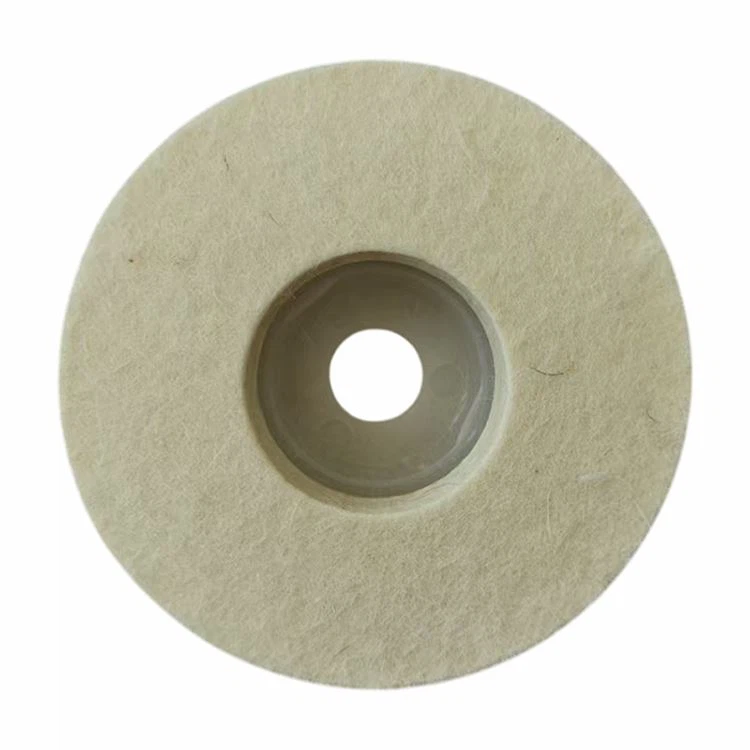
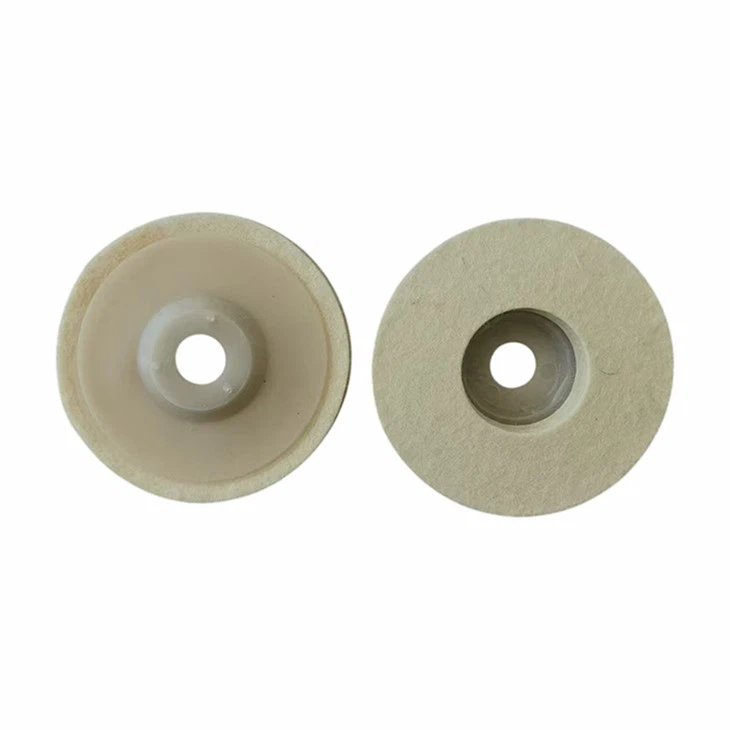
- Softness and Flexibility: Wool fibers are soft and flexible, which allows them to conform to the shape of the metal surface. This helps to distribute the polishing pressure evenly, reducing the risk of scratching or damaging the metal.
- Absorbency: Wool has a high absorbency rate, which means it can hold a significant amount of polishing compound. This allows for a continuous supply of abrasive particles during the polishing process, resulting in a more efficient and consistent finish.
- Heat Resistance: Wool is a good insulator and can withstand high temperatures without melting or deforming. This is important during metal polishing, as friction can generate a significant amount of heat. The heat resistance of wool helps to prevent the polishing pad from overheating and damaging the metal surface.
- Natural Abrasiveness: While wool is not as abrasive as some synthetic materials, it still has a natural level of abrasiveness that can help to remove light surface imperfections. This makes it suitable for fine polishing and finishing operations.
Types of Pure Wool Polishing Pads
There are several types of pure wool polishing pads available on the market, each designed for specific applications:
- Premium Wool Polishing Wheel: These wheels are typically used for larger metal surfaces and can be mounted on a polishing machine. They are available in various sizes and densities, allowing for different levels of abrasion and finish.
- Pure Wool Polishing Pad: These pads are smaller and more flexible than polishing wheels, making them ideal for detailed work and hard-to-reach areas. They can be used by hand or with a handheld polishing tool.
- Machinery Wool Felt Wheel: These wheels are designed for use in industrial polishing machines. They are made from high-quality wool felt and are available in different thicknesses and densities to suit various applications.
Advantages of Using Pure Wool Polishing Pads for Metal Polishing
- High-Quality Finish: Pure wool polishing pads can produce a smooth, mirror-like finish on metal surfaces. The softness and flexibility of the wool fibers help to eliminate scratches and imperfections, resulting in a professional-looking finish.
- Versatility: Pure wool polishing pads can be used on a wide range of metals, including aluminum, copper, brass, stainless steel, and titanium. They are also suitable for different types of metal finishes, such as matte, satin, and high-gloss.
- Environmentally Friendly: As a natural material, wool is biodegradable and renewable. Using pure wool polishing pads is a more sustainable alternative to synthetic polishing materials, which can have a negative impact on the environment.
- Longevity: With proper care and maintenance, pure wool polishing pads can last for a long time. They can be cleaned and reused multiple times, making them a cost-effective option in the long run.
Limitations of Pure Wool Polishing Pads
- Limited Abrasiveness: While pure wool has a natural level of abrasiveness, it may not be suitable for removing heavy scratches or deep oxidation. For more aggressive polishing, synthetic polishing materials or abrasive compounds may be required.
- Requires Proper Care: Wool is a delicate material that requires proper care and maintenance. It should be cleaned regularly to remove dirt and debris, and it should be stored in a dry place to prevent mold and mildew.
- Cost: Pure wool polishing pads are generally more expensive than synthetic polishing materials. However, the high-quality finish and long lifespan of wool pads can offset the initial cost.
Tips for Using Pure Wool Polishing Pads
- Choose the Right Polishing Compound: The choice of polishing compound depends on the type of metal and the desired finish. For fine polishing and finishing, a mild polishing compound with a low abrasive content is recommended. For more aggressive polishing, a coarser compound may be required.
- Apply the Polishing Compound Properly: Apply a small amount of polishing compound to the wool pad and spread it evenly. Avoid using too much compound, as this can cause the pad to become clogged and reduce its effectiveness.
- Use the Right Pressure: Apply gentle pressure to the wool pad during the polishing process. Too much pressure can cause the pad to wear out quickly and may damage the metal surface.
- Keep the Pad Clean: Clean the wool pad regularly to remove dirt and debris. This will help to maintain its effectiveness and prevent scratching. You can clean the pad by washing it in warm, soapy water and rinsing it thoroughly.
- Store the Pad Properly: Store the wool pad in a dry place to prevent mold and mildew. You can also store it in a sealed container to protect it from dust and dirt.
Conclusion
In conclusion, pure wool polishing pads can be an excellent choice for metal polishing. Their softness, flexibility, absorbency, and heat resistance make them well-suited for achieving a high-quality finish on a wide range of metals. While they have some limitations, such as limited abrasiveness and higher cost, the benefits of using pure wool pads often outweigh the drawbacks.
If you are interested in purchasing Pure Wool Polishing Pad for your metal polishing needs, I encourage you to contact us for more information. Our team of experts can help you choose the right product for your specific application and provide you with guidance on how to use it effectively. We offer a wide range of pure wool polishing pads and other polishing products, all of which are made from high-quality materials and are designed to meet the highest standards of performance.
References
- "Metal Finishing Handbook: A Guide to Metal Preparation, Coating, and Finishing" by John D. Whitney
- "Polishing and Buffing" by Robert E. Haddad
- "The Science of Polishing" by James S. Schick