

When it comes to various industrial and handicraft processes, the question of whether a felt wheel can be used for edge rounding is an interesting and practical one. As a supplier of felt wheels, I've encountered numerous inquiries from customers regarding the diverse applications of our products, and edge rounding is a topic that frequently surfaces. In this blog post, I'll delve into the viability of using a felt wheel for edge - rounding, exploring its advantages, limitations, and the factors to consider.
The Nature of Felt Wheels
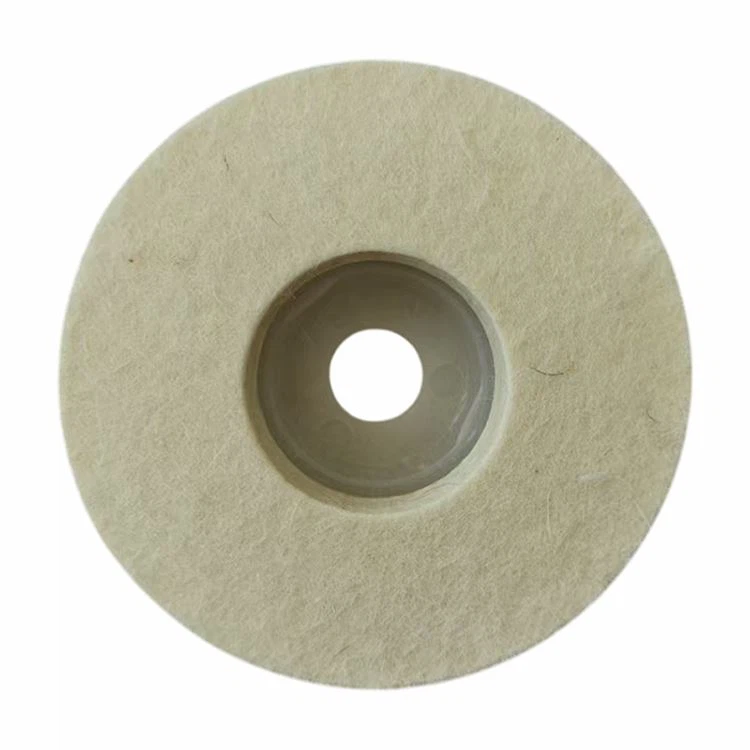
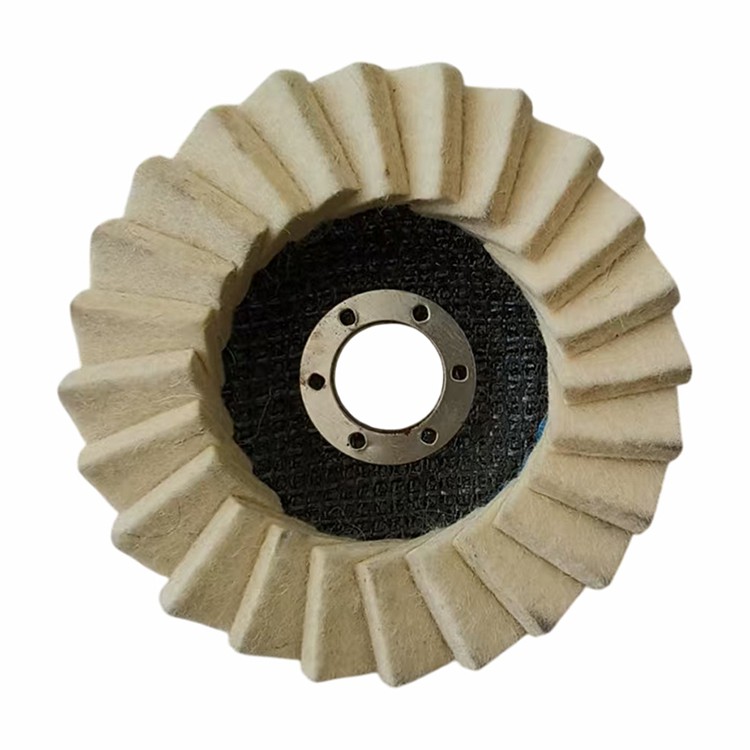
Felt wheels are made from compressed fibers, typically wool. The unique structure of felt provides several characteristics that make it suitable for a range of applications. The fibers in a felt wheel are intertwined, creating a soft yet dense surface. This structure allows the felt wheel to hold abrasives effectively, whether they are embedded during the manufacturing process or applied later as a compound.
There are different types of felt wheels available on the market. For instance, the Wool Felt Wheel is crafted from high - quality wool fibers. It offers a good balance between softness and durability. The Pure Wool Polishing Pad is another option, which is known for its pure wool composition, providing a fine - grained surface for more delicate operations. And the Premium Wool Polishing Wheel is designed with top - grade wool, offering enhanced performance and longevity.
Advantages of Using a Felt Wheel for Edge Rounding
Soft and Gentle Abrasion
One of the primary advantages of using a felt wheel for edge rounding is its soft abrasion property. When compared to hard abrasives like diamond or carbide wheels, a felt wheel provides a more gradual and gentle rounding process. This is particularly beneficial when working with delicate materials such as brass, copper, or even some types of plastics. The softness of the felt helps prevent chipping, cracking, or excessive material removal, which could occur with more aggressive abrasives.
Ability to Hold Abrasives
Felt wheels have an excellent capacity to hold abrasives. Whether it's a fine - grit polishing compound or a coarser abrasive, the felt fibers can trap and distribute the abrasive evenly across the wheel's surface. This allows for consistent and controlled edge rounding. For example, when using a felt wheel with a diamond - impregnated compound, the diamond particles are held firmly in place by the felt, enabling precise and efficient rounding of the edges.
Versatility
Felt wheels can be used on a wide range of materials. They are suitable for metals, including stainless steel, aluminum, and precious metals like gold and silver. In the woodworking industry, felt wheels can also be used for rounding the edges of wooden pieces, providing a smooth and finished look. Additionally, they can be employed in the plastic manufacturing process to round the edges of plastic components, improving their safety and aesthetic appeal.
Surface Finish
The use of a felt wheel for edge rounding can result in a high - quality surface finish. After the rounding process, the edges are not only rounded but also polished to a certain extent. This is because the felt wheel, especially when used with a polishing compound, can remove minor scratches and burrs from the edges, leaving them smooth and shiny. This is particularly important in applications where the appearance of the edges matters, such as in jewelry making or high - end consumer products.
Limitations of Using a Felt Wheel for Edge Rounding
Limited Material Removal Rate
One of the main limitations of using a felt wheel for edge rounding is its relatively low material removal rate. Compared to hard abrasives, felt wheels are not as efficient at removing large amounts of material quickly. If you need to round the edges of a thick or hard material and require a significant amount of material removal, a felt wheel may not be the best choice. In such cases, a more aggressive abrasive wheel, such as a grinding wheel, may be more appropriate initially, followed by a felt wheel for finishing.
Wear and Tear
Felt wheels are subject to wear and tear, especially when used with aggressive abrasives or for extended periods. The fibers of the felt can become frayed or damaged, which may affect the performance of the wheel. Over time, the felt wheel may lose its ability to hold abrasives effectively, resulting in inconsistent edge rounding. Regular inspection and replacement of the felt wheel are necessary to ensure optimal performance.
Precision in Tight Spaces
In some cases, achieving precise edge rounding in tight spaces can be challenging with a felt wheel. The size and shape of the felt wheel may limit its access to narrow or hard - to - reach areas. For example, when rounding the edges of a small, intricate part with internal corners, a felt wheel may not be able to provide the same level of precision as a specialized tool designed for such applications.
Factors to Consider When Using a Felt Wheel for Edge Rounding
Abrasive Selection
The choice of abrasive is crucial when using a felt wheel for edge rounding. Different materials and desired edge finishes require different types of abrasives. For softer materials, a fine - grit abrasive like cerium oxide or tripoli may be sufficient. For harder materials, a more aggressive abrasive such as silicon carbide or diamond may be needed. It's important to match the abrasive to the material and the specific requirements of the edge - rounding process.
Wheel Speed
The speed at which the felt wheel rotates also affects the edge - rounding process. Higher speeds generally result in a faster material removal rate but may also increase the risk of overheating and uneven rounding. Lower speeds, on the other hand, provide more control but may require more time to achieve the desired result. It's essential to find the optimal wheel speed based on the material, the abrasive, and the specific edge - rounding task.
Pressure Application
Applying the right amount of pressure is key to successful edge rounding with a felt wheel. Too much pressure can cause excessive wear on the felt wheel and may lead to uneven rounding or damage to the material. Conversely, too little pressure may result in insufficient material removal. Operators need to develop a feel for the appropriate pressure based on the material and the wheel's performance.
Conclusion
In conclusion, a felt wheel can indeed be used for edge rounding, offering several advantages such as soft abrasion, the ability to hold abrasives, versatility, and a high - quality surface finish. However, it also has its limitations, including a low material removal rate, wear and tear, and challenges in tight spaces. When considering using a felt wheel for edge rounding, it's important to take into account factors such as abrasive selection, wheel speed, and pressure application.
If you're interested in exploring the use of felt wheels for your edge - rounding needs, I encourage you to reach out to discuss your specific requirements. We offer a wide range of felt wheels, including the Wool Felt Wheel, Pure Wool Polishing Pad, and Premium Wool Polishing Wheel, which can be tailored to your applications. Contact us to start a conversation about how our felt wheels can meet your edge - rounding and polishing needs.
References
- Smith, J. (2018). Abrasive Technology Handbook. New York: Industrial Press.
- Brown, A. (2019). Surface Finishing Techniques in Manufacturing. London: Wiley.
- Miller, R. (2020). Felt Materials and Their Applications. Chicago: Academic Press.