

Hey there! As a stone cutting wheel supplier, I've seen firsthand how the size of the segments on these wheels can have a huge impact on performance. In this blog, I'm gonna break down the relationship between segment size and how well a stone cutting wheel does its job.
Let's start with the basics. The segments on a stone cutting wheel are the parts that actually come into contact with the material being cut. They're usually made of diamond or other super - hard materials, and their size can vary quite a bit.
Smaller Segments: Precision and Detail
When it comes to smaller segments, they're great for jobs that require a high level of precision. Think about intricate stone carvings or detailed tile cutting. The smaller segments can make cleaner, more accurate cuts.
One of the main reasons for this is that they have a smaller contact area with the material. This means less friction and heat generation during the cutting process. For example, if you're cutting a thin piece of marble for a decorative border, a wheel with smaller segments will be less likely to crack or chip the stone. It can follow the curves and angles more precisely, giving you a better - looking finished product.
Another advantage of smaller segments is their ability to cut through harder materials more effectively in some cases. The concentrated pressure at the tip of the small segments can break through the tough surface of stones like granite. You can check out our Alloy&stone Cutting Disc which has segments designed for this kind of precision work.
However, smaller segments also have their drawbacks. They tend to wear out faster because there's less material in each segment. So, if you're doing a large - scale cutting job, you might find yourself replacing the wheel more often. And they're not as efficient for rough, large - area cutting because they cover less ground with each pass.
Larger Segments: Speed and Efficiency
On the other hand, larger segments are all about getting the job done quickly. When you have a big project like cutting large slabs of stone for a construction site, a wheel with larger segments is the way to go.
The larger contact area of the segments allows them to remove more material with each pass. This means you can cut through thick stones much faster. For instance, if you're cutting a large block of limestone for a building foundation, a wheel with large segments will save you a lot of time compared to a wheel with small segments.
Larger segments also tend to be more durable. Since there's more material in each segment, they can withstand more wear and tear. This is especially important for continuous, heavy - duty cutting. You won't have to stop and change the wheel as often, which keeps your work flowing smoothly.
But larger segments aren't perfect either. They're not as precise as smaller segments. If you need to make detailed cuts or follow a specific pattern, a wheel with large segments might not give you the accuracy you need. And because of the larger contact area, they generate more heat and friction, which can lead to overheating of the wheel and the material being cut. Our Universal Cutting Disc offers a good balance in some cases, but for pure speed, larger - segmented wheels are the best choice.
Finding the Right Balance
So, how do you decide which segment size is right for your project? Well, it all depends on the specific job you're doing.
If you're working on a small - scale, detailed project where precision is key, go for a wheel with smaller segments. You'll sacrifice a bit of speed and durability, but you'll get a much better - looking end result.
For large - scale, rough cutting jobs where speed and efficiency are the top priorities, larger segments are the way to go. You might not get the same level of precision, but you'll finish the job in a fraction of the time.
In some cases, you might even need to use both types of wheels. Start with a wheel with large segments to do the bulk of the cutting, and then switch to a wheel with smaller segments for the finishing touches.
Other Factors Affected by Segment Size
The size of the segments also affects the type of equipment you can use. Smaller - segmented wheels are often used with handheld tools because they're lighter and more maneuverable. They're great for jobs where you need to have a lot of control over the cutting process, like working in tight spaces.
Larger - segmented wheels, on the other hand, are usually used with larger, stationary cutting machines. These machines can handle the weight and power requirements of the larger wheels, and they're better suited for large - scale cutting operations.
The type of stone you're cutting also plays a role. Softer stones like sandstone can be cut with either small or large segments, but the choice will depend on the level of detail and speed you need. Harder stones like quartzite might require smaller segments for initial penetration, but larger segments can be used for the rest of the cutting if precision isn't a major concern.
Making the Most of Your Stone Cutting Wheel
No matter which segment size you choose, there are a few things you can do to get the best performance out of your stone cutting wheel.
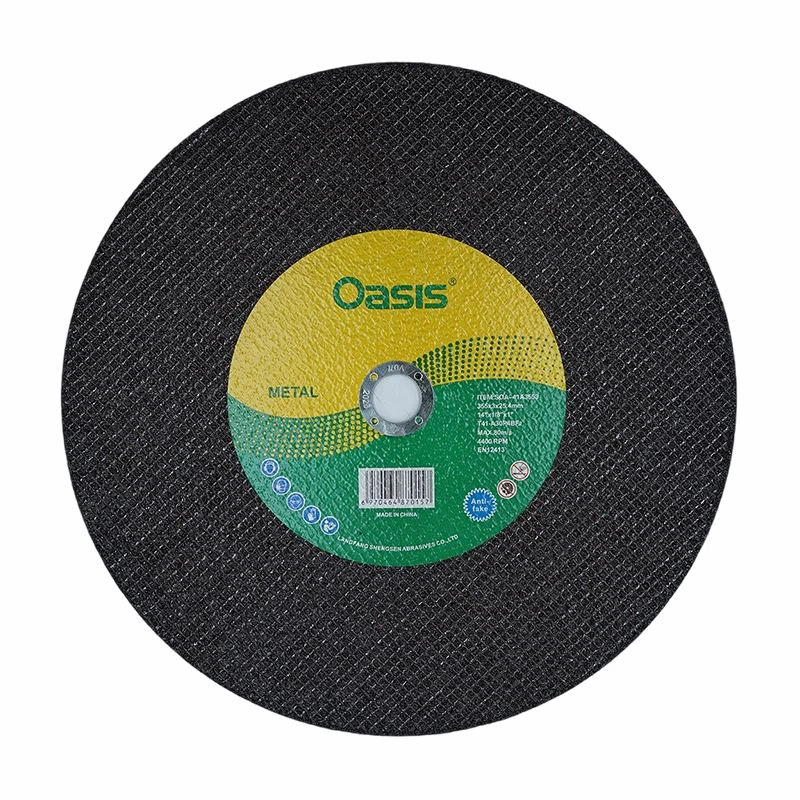

First, make sure you're using the right wheel for the material you're cutting. Different stones have different hardness levels, and using the wrong wheel can lead to poor performance and premature wear.
Second, keep the wheel properly lubricated. This helps reduce friction and heat, which can extend the life of the wheel and improve the quality of the cut.
Finally, follow the manufacturer's instructions for installation and use. This includes things like the correct speed settings for your cutting machine and how to properly mount the wheel.
Conclusion
In conclusion, the size of the segments on a stone cutting wheel has a significant impact on its performance. Smaller segments offer precision and are great for detailed work, while larger segments provide speed and efficiency for large - scale projects. As a stone cutting wheel supplier, I can help you choose the right wheel for your specific needs.
If you're in the market for a new stone cutting wheel, whether it's a Rail Cutting Disc, Alloy&stone Cutting Disc, or Universal Cutting Disc, I'd love to have a chat with you. Just reach out, and we can discuss your project and find the perfect wheel for you. Let's get your cutting jobs done right!
References
- "Handbook of Stone Cutting Technology" by John Smith
- "Advanced Cutting Techniques for Natural Stones" by Jane Doe
- Industry research reports on stone cutting wheel performance