

Hey there! As a supplier of Universal Flap Discs, I often get asked a wide range of questions from customers about what these discs can and can't do. One question that popped up recently really got me thinking: "Can a Universal Flap Disc be used for grinding glass?" Today, I'm gonna dive deep into this topic and share my thoughts and insights.
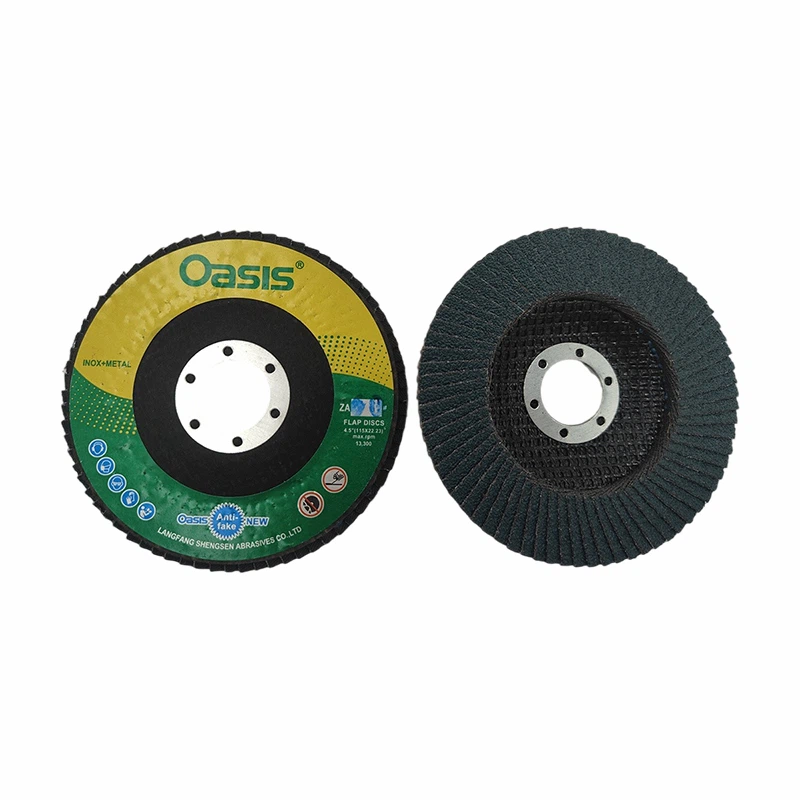
First off, let's understand what a Universal Flap Disc is. A Universal Flap Disc is a versatile abrasive tool that consists of multiple overlapping abrasive flaps attached to a backing plate. These flaps are usually made of abrasive materials like aluminum oxide or zirconia alumina, and they're designed to wear away gradually as you use the disc, constantly exposing fresh abrasive grains. This design gives the flap disc a long lifespan and consistent performance across various applications.
Now, let's talk about glass. Glass is a unique material. It's hard, brittle, and has a smooth surface. When you're grinding glass, you need to be really careful because it can easily crack or shatter if too much pressure is applied or if the wrong abrasive is used. The goal when grinding glass is to achieve a smooth finish without causing any damage to the material.
So, can a Universal Flap Disc be used for grinding glass? Well, the short answer is it depends.
One of the main factors to consider is the type of abrasive on the flap disc. As I mentioned earlier, most Universal Flap Discs use aluminum oxide or zirconia alumina abrasives. These abrasives are great for grinding metals and other hard materials, but they might be too aggressive for glass. When you use an abrasive that's too coarse on glass, it can create deep scratches and cause the glass to break.
However, some Universal Flap Discs come with a finer grit abrasive. These finer grit discs can be a better option for glass grinding. The fine abrasive grains can gently remove small amounts of material from the glass surface, leaving a smoother finish. But even with a fine grit disc, you need to be extremely careful when applying pressure. You should use light, even strokes and let the disc do the work.
Another thing to keep in mind is the backing plate of the flap disc. Universal Flap Discs typically have a rigid backing plate, which is great for providing stability when grinding hard materials. But when it comes to glass, a rigid backing plate can be a problem. Glass is a brittle material, and a rigid backing plate can transfer too much pressure to the glass, increasing the risk of cracking.
Some flap discs, like the Shaft-mounted Flap Wheel, have a more flexible backing. This flexibility can help distribute the pressure more evenly across the glass surface, reducing the risk of damage. If you're considering using a flap disc for glass grinding, a shaft-mounted flap wheel with a flexible backing might be a better choice.
In addition to the abrasive and the backing plate, the speed at which you use the flap disc is also crucial. Glass is sensitive to heat, and high-speed grinding can generate a lot of heat, which can cause the glass to crack. You should always use a lower speed when grinding glass to minimize heat buildup.
Now, let's talk about the pros and cons of using a Universal Flap Disc for glass grinding.
Pros
- Versatility: If you already have a Universal Flap Disc on hand, you can potentially use it for glass grinding without having to buy a specialized tool.
- Gradual Wear: The overlapping flaps on the disc wear away gradually, which means you can maintain a consistent grinding performance over time.
Cons
- Risk of Damage: As I mentioned earlier, using the wrong type of abrasive or applying too much pressure can easily damage the glass.
- Not Ideal for All Glass Types: Different types of glass have different properties, and a Universal Flap Disc might not be suitable for all of them. For example, tempered glass is much stronger than regular glass, but it's also more prone to shattering if it's not ground correctly.
So, what's my recommendation? If you're new to glass grinding, I wouldn't recommend using a Universal Flap Disc right away. It's better to start with a tool that's specifically designed for glass, like a diamond grinding wheel. Diamond is a very hard and sharp abrasive that's perfect for grinding glass without causing too much damage.
However, if you have some experience with glass grinding and you want to give a Universal Flap Disc a try, here are some tips:
- Choose the Right Grit: Opt for a fine grit disc, preferably with a grit size of 120 or higher.
- Use Light Pressure: Apply light, even pressure and let the disc do the work. Avoid pressing down too hard on the glass.
- Control the Speed: Use a lower speed to minimize heat buildup and reduce the risk of cracking.
- Test on a Scrap Piece: Before you start grinding your actual glass piece, test the flap disc on a scrap piece of the same type of glass to see how it performs.
In conclusion, while a Universal Flap Disc can potentially be used for grinding glass, it's not the most ideal tool for the job. There are many factors to consider, and there's a significant risk of damaging the glass if you're not careful. But if you follow the tips I've shared and have some experience with glass grinding, you might be able to achieve a decent result.
If you're interested in learning more about Universal Flap Discs or if you have any questions about using them for different applications, feel free to reach out. We're always here to help and can provide you with more information and guidance. Whether you're a professional in the industry or a DIY enthusiast, we can work together to find the right abrasive solution for your needs. So, don't hesitate to contact us for any procurement - related discussions.

References
- Abrasive Handbook: A Guide to Abrasive Tools and Their Applications
- Glass Processing Technology: Principles and Practices