

Hey there! I'm a supplier of Universal Grinding Discs, and I often get asked this question: "Can a Universal Grinding Disc be used for grinding stone?" Well, let's dive right into it and find out.
First off, let's understand what a Universal Grinding Disc is. These discs are designed to be versatile, capable of handling a variety of materials. They're like the Swiss Army knives of the grinding world. But when it comes to stone, things get a bit more complicated.
Stone is a hard and abrasive material. Different types of stone, such as granite, marble, and sandstone, have different hardness levels and compositions. Granite is super hard, while marble is a bit softer but still quite tough. Sandstone, on the other hand, has a more porous structure.
Now, the key factor in determining whether a Universal Grinding Disc can grind stone is the disc's abrasives. Most Universal Grinding Discs are made with a mix of abrasives that are supposed to work on multiple materials. However, for stone grinding, you need abrasives that are hard enough to cut through the stone without wearing out too quickly.
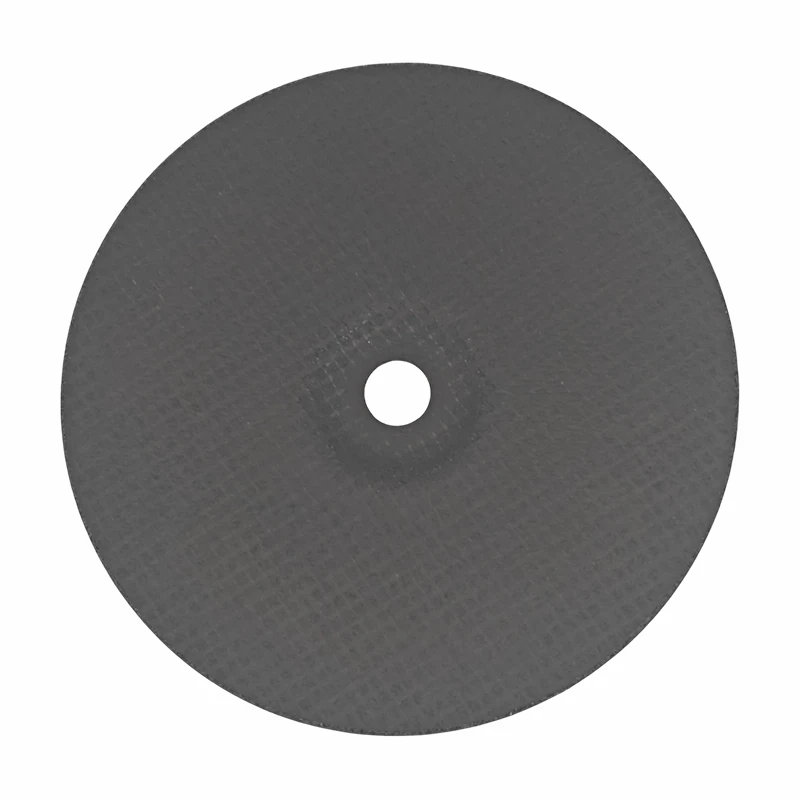
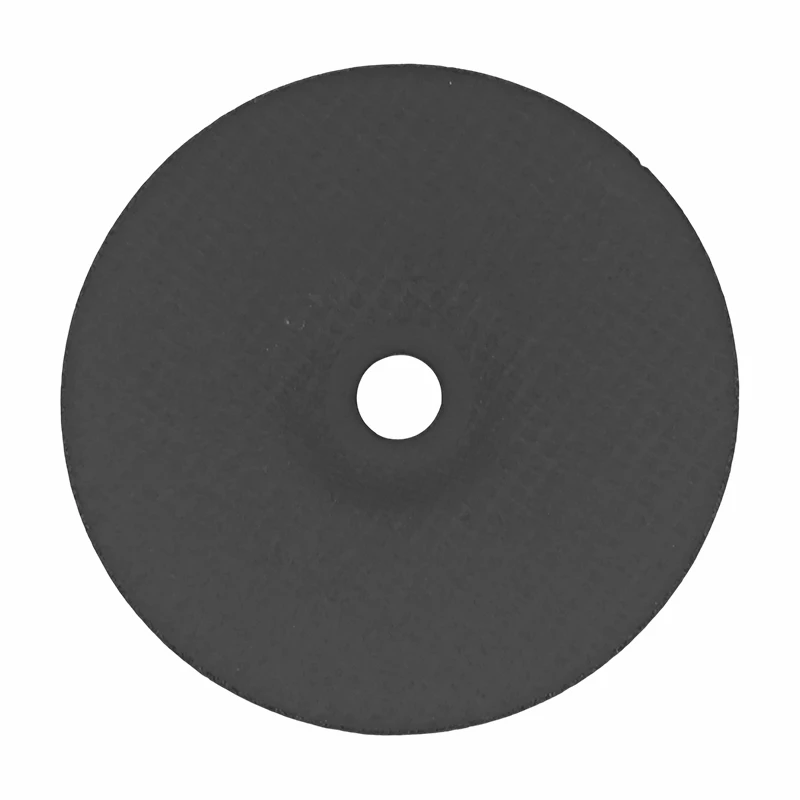
One type of abrasive that's great for stone grinding is silicon carbide. Silicon Carbide Grinding Disc is known for its high hardness and sharp cutting edges. It can effectively grind through stone, leaving a smooth finish. If your Universal Grinding Disc has silicon carbide abrasives, then it stands a good chance of being suitable for stone grinding.
But it's not just about the abrasives. The bond that holds the abrasives together also plays a crucial role. A strong bond is needed to keep the abrasives in place during the grinding process. If the bond is too weak, the abrasives will fall off quickly, and the disc won't be effective.
Another aspect to consider is the disc's design. Some Universal Grinding Discs have a fish scale shaped pattern. Fish Scale Shaped Metal Grinding Disc This design can help with chip removal and prevent the disc from clogging up with stone dust. When grinding stone, a lot of dust is generated, and if the disc can't get rid of it, the grinding performance will suffer.
Now, let's talk about the limitations. While a Universal Grinding Disc might be able to grind stone to some extent, it might not be as efficient as a disc that's specifically designed for stone grinding. Specialized stone grinding discs are engineered to optimize the grinding process for stone, with the right combination of abrasives, bond, and design.
For example, Ceramic Straight Wheels are often used for precision stone grinding. They offer excellent control and can achieve a very fine finish. If you're looking for high-quality, professional-grade stone grinding, these wheels might be a better choice.
However, if you're doing some light stone grinding for a DIY project or just need to make a few quick cuts, a Universal Grinding Disc can definitely do the job. It's a cost-effective option that can save you from having to buy a specialized disc if you don't do a lot of stone grinding.
When using a Universal Grinding Disc for stone grinding, there are a few things you should keep in mind. First, make sure to use the right speed. Different stones and discs have different recommended speeds, and using the wrong speed can lead to poor results or even damage the disc.
Second, always wear appropriate safety gear. Stone grinding generates a lot of dust, which can be harmful if inhaled. Wear a dust mask, safety glasses, and gloves to protect yourself.
In conclusion, a Universal Grinding Disc can be used for grinding stone, but its effectiveness depends on several factors, such as the abrasives, bond, design, and the type of stone you're grinding. If you're in a pinch and need to do some light stone grinding, it's a viable option. But for more serious stone grinding projects, you might want to consider using a specialized disc.
If you're interested in our Universal Grinding Discs or have any questions about using them for stone grinding, feel free to reach out. We're here to help you find the right solution for your grinding needs.
References
- "Grinding Technology: Theory and Applications of Machining with Abrasives" by Paul K. Wright
- "Abrasive Machining Processes" by Rajiv K. Singh