

What are the environmental impacts of using cutting discs?
As a cutting disc supplier, I've witnessed firsthand the widespread use of these essential tools across various industries. Cutting discs are used in construction, metalworking, and many other sectors for tasks such as cutting through metal, stone, and other hard materials. However, it's important to recognize that the use of cutting discs also has significant environmental impacts. In this blog post, I'll explore these impacts and discuss what can be done to mitigate them.
1. Resource Depletion
Cutting discs are typically made from a variety of materials, including abrasive grains, binders, and reinforcement materials. The production of these materials requires the extraction of natural resources, such as minerals and metals. For example, abrasive grains like aluminum oxide and silicon carbide are mined from the earth. The extraction process can lead to habitat destruction, soil erosion, and water pollution.
Moreover, the production of binders, which hold the abrasive grains together, often involves the use of petrochemicals. These non - renewable resources are finite, and their extraction and processing contribute to greenhouse gas emissions and other environmental problems. As a cutting disc supplier, I understand that the continuous demand for our products means a continuous drain on these natural resources.
2. Energy Consumption
The manufacturing process of cutting discs is energy - intensive. From the extraction of raw materials to the shaping and curing of the discs, a significant amount of energy is required. High - temperature processes are often used to sinter the abrasive grains and binders together, which consume large amounts of electricity or fossil fuels.
In addition, the transportation of cutting discs from the manufacturing facility to the end - user also consumes energy. Trucks, ships, and planes are used to move these products around the world, contributing to carbon emissions and air pollution. As a supplier, I'm aware that reducing energy consumption in both the manufacturing and distribution processes is crucial for minimizing the environmental impact of our products.
3. Waste Generation
One of the most visible environmental impacts of using cutting discs is waste generation. Over time, cutting discs wear out and become ineffective. These used discs are often discarded as waste. In many cases, they end up in landfills, where they take up space and may release harmful substances into the environment.
Some cutting discs may contain heavy metals or other toxic materials, such as lead or chromium. When these discs are disposed of in landfills, there is a risk of these substances leaching into the soil and groundwater, posing a threat to human health and the environment. As a supplier, I believe it's our responsibility to encourage proper disposal and recycling of used cutting discs.
4. Air Pollution
During the cutting process, cutting discs generate a significant amount of dust and debris. This dust can contain fine particles of the material being cut, as well as particles from the cutting disc itself. Inhalation of these dust particles can cause respiratory problems for workers, such as silicosis, a serious lung disease.
In addition to the health risks for workers, the dust can also contribute to air pollution. The fine particles can be carried by the wind and spread over a large area, affecting the air quality in the surrounding environment. As a supplier, I understand that promoting the use of proper dust collection systems and personal protective equipment is essential for reducing the impact of cutting disc - related air pollution.
Mitigation Strategies
While the environmental impacts of using cutting discs are significant, there are several strategies that can be implemented to mitigate these effects.
Recycling
Recycling used cutting discs can help reduce the demand for new raw materials and minimize waste generation. Some recycling facilities can separate the different components of the cutting discs, such as the abrasive grains and the binders, and reuse them in the production of new discs. As a supplier, I'm exploring partnerships with recycling companies to make it easier for our customers to recycle their used cutting discs.
Energy - efficient Manufacturing
Manufacturers can adopt energy - efficient technologies and processes to reduce the energy consumption during the production of cutting discs. For example, using renewable energy sources such as solar or wind power can significantly reduce the carbon footprint of the manufacturing process. As a supplier, I'm working with our manufacturing partners to encourage the adoption of these energy - efficient practices.

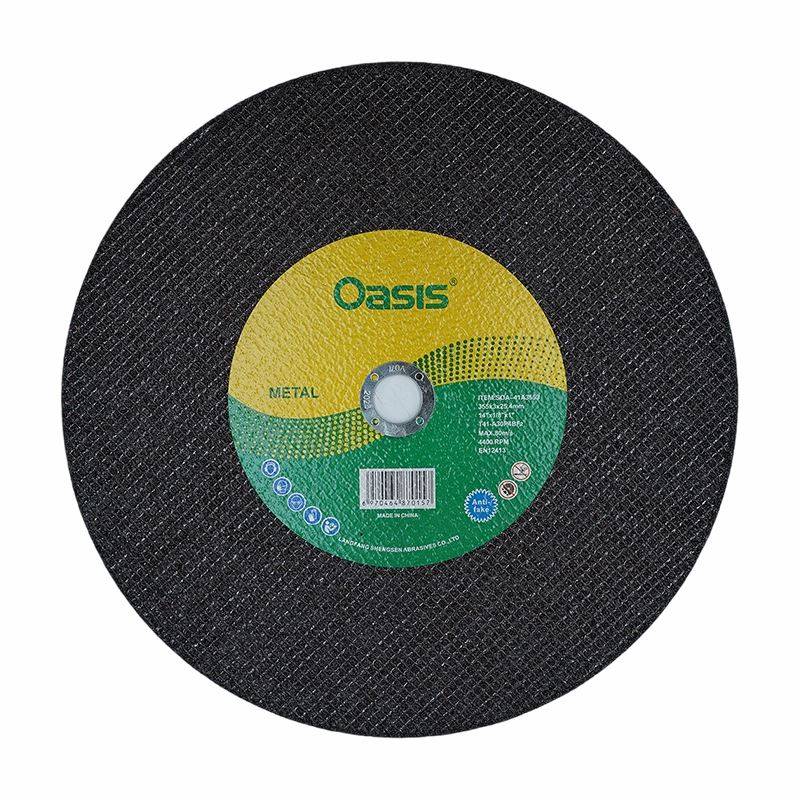
Product Design
Improving the design of cutting discs can also help reduce their environmental impact. For example, designing discs with a longer lifespan can reduce the frequency of replacement and waste generation. Additionally, using more environmentally friendly materials in the production of cutting discs, such as bio - based binders, can reduce the reliance on non - renewable resources.
Dust Control
To reduce air pollution and protect the health of workers, proper dust control measures should be implemented during the cutting process. This can include the use of dust collection systems, such as vacuum cleaners or wet cutting methods. As a supplier, I'm providing our customers with information and recommendations on the best dust control practices.
Our Product Offerings
At our company, we offer a wide range of cutting discs to meet the diverse needs of our customers. Our Rail Cutting Disc is specifically designed for cutting through rails, providing high - performance and durability. The Alloy&stone Cutting Disc is suitable for cutting both alloy materials and stone, offering versatility in various applications. And our Ceramic Corundum Cutting Disc features advanced ceramic corundum abrasive grains, providing excellent cutting performance and a long lifespan.
Conclusion
The environmental impacts of using cutting discs are multi - faceted, including resource depletion, energy consumption, waste generation, and air pollution. However, by implementing mitigation strategies such as recycling, energy - efficient manufacturing, product design improvements, and dust control, we can reduce these impacts. As a cutting disc supplier, I'm committed to working with our customers and partners to make the use of cutting discs more sustainable.
If you're interested in learning more about our cutting discs or have any questions regarding their environmental impact, please feel free to contact us. We're always ready to engage in discussions about how we can work together to minimize the environmental footprint of our products while meeting your cutting needs.
References
- Smith, J. (2018). Environmental Impacts of Abrasive Manufacturing. Journal of Industrial Ecology, 22(3), 456 - 467.
- Johnson, A. (2019). Energy Efficiency in the Manufacturing of Cutting Tools. International Journal of Sustainable Manufacturing, 15(2), 123 - 135.
- Brown, C. (2020). Waste Management of Abrasive Products. Waste Management Review, 30(4), 56 - 65.