

Hey there! I'm a supplier of felt wheels, and today I wanna chat about whether felt wheels require maintenance. Felt wheels are super useful in a bunch of industries, like metalworking, woodworking, and even jewelry making. They're great for polishing, buffing, and finishing all sorts of materials. But the big question is, do they need some TLC? Let's dive in and find out.
First off, let's understand what felt wheels are. They're typically made from wool or other fibrous materials that are compressed and formed into a wheel shape. The fibers in the felt create a soft yet abrasive surface that can smooth out rough edges, remove scratches, and give a shiny finish to your workpieces. There are different types of felt wheels available, such as the Machinery Wool Felt Wheel, Wool Felt Wheel, and Pure Wool Polishing Pad. Each type has its own unique properties and is suitable for different applications.
Now, back to the main topic - maintenance. The short answer is yes, felt wheels do require some maintenance, but the level of maintenance depends on several factors.
Frequency of Use
If you're using your felt wheels on a daily basis for heavy-duty applications, they'll definitely need more attention compared to wheels that are used occasionally for light tasks. For example, in a large metal fabrication shop where felt wheels are used to polish metal parts all day long, the wheels will wear out faster and accumulate more debris. In such cases, you'll need to clean them more frequently and replace them when they start to lose their effectiveness.
Type of Material Being Worked On
The material you're polishing or buffing also plays a significant role in determining the maintenance requirements. Working on materials like stainless steel or hard plastics can cause more wear and tear on the felt wheel compared to softer materials like wood or brass. When you're working with abrasive materials, small particles can get embedded in the felt fibers, reducing the wheel's ability to polish effectively. So, you'll need to clean the wheel more often to remove these particles and restore its performance.
Environmental Conditions
The environment in which the felt wheels are used can also impact their lifespan and maintenance needs. If the work area is dusty or dirty, the wheels will quickly get covered in debris, which can clog the felt fibers and affect their performance. In addition, high humidity can cause the felt to absorb moisture, leading to mold growth and a decrease in the wheel's durability. To prevent these issues, it's important to keep the work area clean and dry, and store the felt wheels in a suitable environment when not in use.

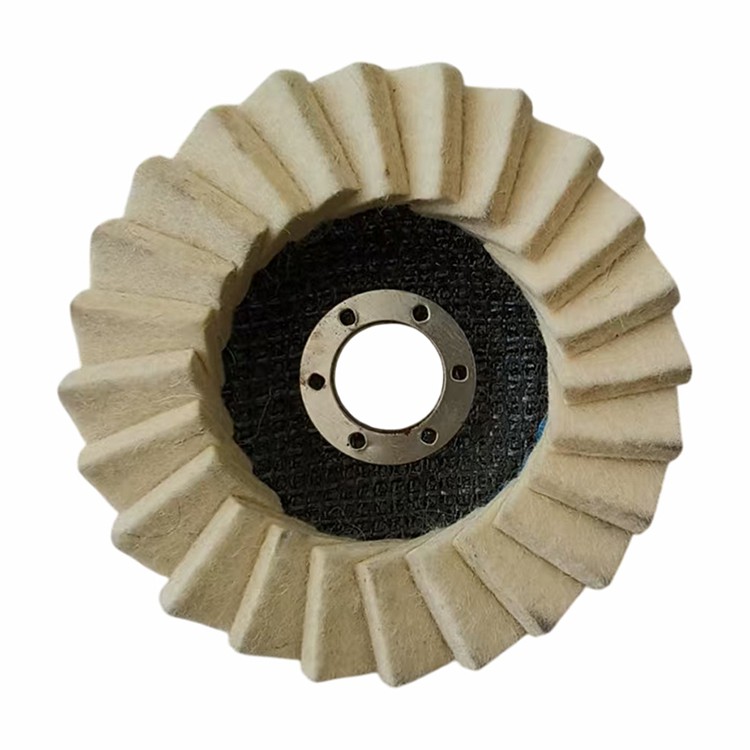
How to Maintain Felt Wheels
So, now that we know felt wheels need maintenance, let's talk about how to do it.
Cleaning
Regular cleaning is the key to keeping your felt wheels in good condition. You can use a soft brush or compressed air to remove loose debris from the surface of the wheel. For more stubborn dirt and particles, you can soak the wheel in a mild detergent solution and then rinse it thoroughly with clean water. Make sure to let the wheel dry completely before using it again.
Dressing
Dressing is another important maintenance step. It involves using a dressing stick or a similar tool to reshape the surface of the felt wheel and expose fresh fibers. This helps to restore the wheel's cutting ability and improve its polishing performance. You should dress the wheel periodically, especially when you notice a decrease in its effectiveness.
Storage
Proper storage is also crucial for maintaining the quality of your felt wheels. Store them in a clean, dry place away from direct sunlight and heat sources. You can use a protective cover or a storage container to keep the wheels clean and prevent them from getting damaged.
Benefits of Maintenance
Maintaining your felt wheels has several benefits. Firstly, it extends their lifespan, which means you won't have to replace them as often, saving you money in the long run. Secondly, well-maintained wheels provide better polishing results. They can achieve a smoother, more consistent finish on your workpieces, improving the overall quality of your products. Lastly, regular maintenance ensures the safety of your equipment and the people using it. A worn-out or damaged felt wheel can break during operation, causing injury or damage to the machinery.
In conclusion, felt wheels do require maintenance, but it's not a complicated or time-consuming process. By following the simple steps I've outlined above, you can keep your felt wheels in top condition and get the most out of them. Whether you're a professional in the manufacturing industry or a DIY enthusiast, taking care of your felt wheels will pay off in terms of cost savings, better performance, and improved safety.
If you're in the market for high-quality felt wheels, I'm here to help. I offer a wide range of felt wheels, including the Machinery Wool Felt Wheel, Wool Felt Wheel, and Pure Wool Polishing Pad. If you have any questions or want to discuss your specific needs, feel free to reach out. Let's start a conversation and find the perfect felt wheels for your projects!
References
- "Industrial Polishing and Buffing Handbook"
- "Felt Products: Properties and Applications"