

Cleaning a cutting disc for metal is a crucial maintenance task that not only extends the lifespan of the disc but also ensures optimal performance during cutting operations. As a supplier of high - quality cutting discs for metal, I understand the importance of proper cleaning and maintenance. In this blog, I will share some effective methods and tips on how to clean a cutting disc for metal.
Why Cleaning is Necessary
Before delving into the cleaning process, it's essential to understand why cleaning a cutting disc is so important. During the cutting process, metal shavings, dust, and debris can accumulate on the surface of the disc. This build - up can cause several problems. Firstly, it can affect the cutting efficiency of the disc. The accumulated debris can act as a barrier between the disc and the metal being cut, reducing the sharpness of the cutting edge and increasing the amount of force required to make a cut. Secondly, it can lead to uneven wear of the disc. If the debris is not removed, it can cause the disc to wear unevenly, which may result in a shorter lifespan and a less precise cut. Finally, a dirty cutting disc can also pose a safety hazard. The debris can cause the disc to vibrate during operation, increasing the risk of the disc breaking or the cutting tool slipping.
Pre - cleaning Preparations
Before you start cleaning the cutting disc, there are a few preparations you need to make. First, ensure that the disc is completely cooled down. Cutting discs can become extremely hot during use, and attempting to clean a hot disc can be dangerous and may also damage the disc. Second, gather the necessary cleaning tools and materials. You will need a soft - bristled brush, a cleaning solution (such as a mild detergent or a specialized disc cleaner), a bucket of water, and a clean cloth.
Cleaning Process
The cleaning process can be divided into several steps:
Step 1: Remove Loose Debris
Use a soft - bristled brush to gently remove any loose metal shavings, dust, and debris from the surface of the cutting disc. Start from the outer edge of the disc and work your way towards the center. Be careful not to apply too much pressure, as this can damage the cutting edge of the disc. You can also use compressed air to blow away the loose debris, but make sure to wear appropriate safety gear, such as goggles and a dust mask, to protect yourself from the flying debris.
Step 2: Prepare the Cleaning Solution
Fill a bucket with warm water and add a small amount of mild detergent or a specialized disc cleaner. Follow the instructions on the cleaner's label for the correct dilution ratio. Stir the solution gently to ensure that the detergent is well - mixed.
Step 3: Soak the Disc
Submerge the cutting disc in the cleaning solution and let it soak for about 15 - 20 minutes. This will help to loosen the stubborn dirt and debris that are stuck to the disc. During the soaking process, you can gently agitate the disc in the solution to enhance the cleaning effect.

Step 4: Scrub the Disc
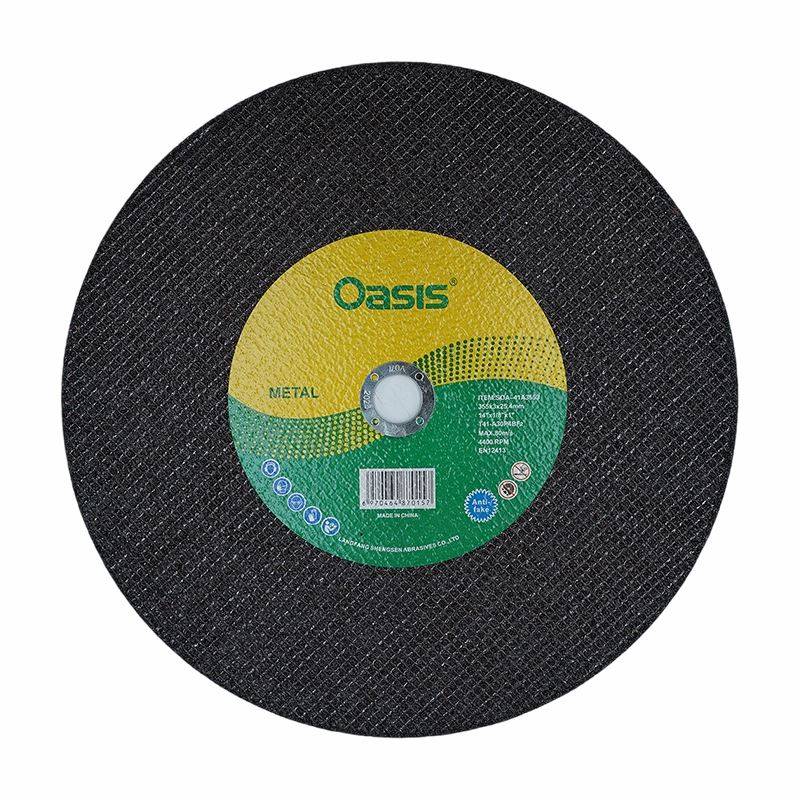
After soaking, take the disc out of the solution and use the soft - bristled brush to scrub the surface of the disc. Pay special attention to the areas where the debris is most concentrated, such as the cutting edge and the grooves on the disc. Use a circular motion to scrub the disc, and make sure to cover the entire surface. If there are still some stubborn stains or debris, you can use a toothbrush or a small, stiff - bristled brush to clean those areas.
Step 5: Rinse the Disc
Once you have finished scrubbing, rinse the cutting disc thoroughly under running water to remove all the cleaning solution and loosened debris. Make sure to rinse both sides of the disc. You can also use a hose to provide a more powerful stream of water for a more thorough rinse.
Step 6: Dry the Disc
Use a clean cloth to dry the cutting disc. Make sure to dry it completely to prevent rusting. You can also let the disc air - dry in a well - ventilated area for a few hours.
Special Considerations for Different Types of Cutting Discs
As a supplier, we offer a variety of cutting discs for metal, including Universal Cutting Disc, Alloy&stone Cutting Disc, and Rail Cutting Disc. Each type of disc may require some special considerations during the cleaning process:
- Universal Cutting Disc: These discs are designed for a wide range of cutting applications. They are usually made of a combination of abrasive materials. When cleaning a universal cutting disc, avoid using harsh chemicals that may damage the abrasive layer. Stick to mild detergents or specialized disc cleaners.
- Alloy&stone Cutting Disc: These discs are used for cutting alloys and stones. They may have a more complex structure and may be more sensitive to cleaning methods. Make sure to follow the manufacturer's instructions when cleaning these discs. In some cases, a gentle cleaning with a soft brush and water may be sufficient.
- Rail Cutting Disc: Rail cutting discs are designed for heavy - duty cutting of rails. They are often exposed to a large amount of metal debris. After cleaning, it's important to inspect the disc for any signs of damage, such as cracks or chips. If any damage is found, the disc should be replaced immediately.
Maintenance Tips After Cleaning
After cleaning the cutting disc, there are some maintenance tips that can help to keep the disc in good condition:
- Storage: Store the cutting disc in a dry and clean place. Avoid storing it in a humid environment, as this can cause rusting. You can use a storage case or a rack to keep the disc organized and protected.
- Inspection: Regularly inspect the cutting disc for any signs of wear, damage, or dullness. If the disc is worn out or damaged, replace it immediately to ensure safe and efficient cutting operations.
- Lubrication: Some cutting discs may require lubrication during use. Check the manufacturer's instructions to see if your disc needs lubrication and what type of lubricant to use.
Conclusion
Cleaning a cutting disc for metal is a simple but important process that can significantly improve the performance and lifespan of the disc. By following the steps and tips outlined in this blog, you can ensure that your cutting disc remains in good condition and provides optimal cutting results. As a cutting disc for metal supplier, we are committed to providing high - quality products and useful information to our customers. If you have any questions about cleaning or maintaining your cutting discs, or if you are interested in purchasing our Universal Cutting Disc, Alloy&stone Cutting Disc, or Rail Cutting Disc, please feel free to contact us for more details and to start a procurement negotiation.
References
- Cutting Tools Handbook: A Comprehensive Guide to Cutting Tools and Their Applications
- Manufacturer's Manuals for Cutting Discs for Metal