

Hey there! As a supplier of metal cutting discs, I often get asked about the cutting efficiency of these nifty tools. So, I thought I'd take a deep dive into what exactly cutting efficiency means in the context of metal cutting discs and why it matters to you.
First off, let's break down what cutting efficiency is all about. In simple terms, it's how well a cutting disc can slice through metal in terms of speed, quality of the cut, and the disc's lifespan. A high - efficiency cutting disc will cut through metal quickly, leave a smooth, clean edge, and last for a reasonable amount of time without wearing out too fast.
Factors Affecting Cutting Efficiency
Abrasive Material
The type of abrasive used in the cutting disc is a game - changer. For instance, in Diamond Cutting Disc, diamonds are the abrasives. Diamonds are incredibly hard, which allows them to cut through tough materials like hardened steel and concrete - coated metals. Their hardness also means they stay sharp for longer, resulting in a more efficient cut over time.
On the other hand, some discs use aluminum oxide or silicon carbide abrasives. Aluminum oxide is great for cutting ferrous metals like mild steel. It's tough and can handle the high - temperature generated during cutting. Silicon carbide, meanwhile, is often used for non - ferrous metals and some non - metallic materials. It has a higher cutting speed on these materials but may wear out faster on harder metals.
Disc Thickness
The thickness of the cutting disc matters big time. A thinner disc generally has better cutting efficiency because it has less material to remove as it cuts through the metal. It requires less energy to make the cut, which means the tool can operate faster. However, thinner discs may be more prone to damage, especially if they hit hard spots in the metal or are used in a rough way.
On the flip side, thicker discs are more durable. They can withstand more abuse and are better for heavy - duty cutting tasks where the risk of the disc breaking is high. But they do take longer to cut through the metal because they have to grind away more material.
Cutting Speed
The speed at which the cutting disc rotates also affects its efficiency. If the speed is too slow, the disc will just rub against the metal instead of making a proper cut. This not only wastes time but also causes the disc to wear out faster as it overheats due to the friction.
Conversely, if the speed is too high, the disc may become unstable and produce a rough cut. It can also cause the disc to break or shatter, which is obviously a safety hazard. Each type of cutting disc has an optimal speed range, which is usually specified by the manufacturer. You need to make sure your cutting equipment is set to the right speed for the best efficiency.
How to Measure Cutting Efficiency
One way to measure cutting efficiency is by looking at the cutting rate. This is the amount of metal the disc can cut through in a given amount of time, usually measured in inches or millimeters per minute. A higher cutting rate indicates better efficiency.
Another important metric is the quality of the cut. A good - quality cut will have smooth edges, minimal burrs, and no excessive heat - affected zones. You can use a caliper to measure the width of the cut and a microscope to examine the surface finish.
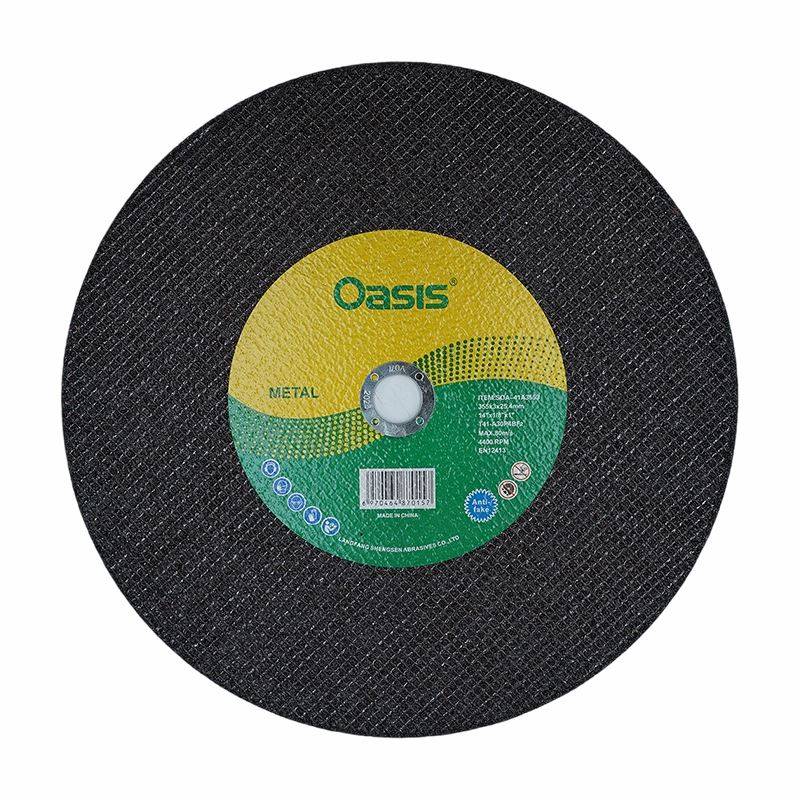

The disc's lifespan is also a key factor. If a disc wears out quickly, it may not be very efficient, even if it cuts fast at the beginning. You can calculate the cost - per - cut by dividing the cost of the disc by the number of cuts it can make. A lower cost - per - cut means better efficiency.
Different Types of Metal Cutting Discs and Their Efficiency
Diamond Cutting Disc
As I mentioned earlier, diamond cutting discs are top - notch when it comes to cutting efficiency, especially for hard materials. They can cut through reinforced concrete with embedded steel bars, natural stone, and tough metals like titanium. The diamond abrasives stay sharp for a long time, so you can make multiple cuts without having to replace the disc frequently.
Rail Cutting Disc
Rail cutting discs are designed specifically for cutting railway tracks. They are usually made with abrasives that can handle the high - carbon steel used in rails. These discs need to have high cutting efficiency because they are often used in time - sensitive maintenance and construction projects. They can make clean, straight cuts quickly, which is essential for ensuring the safety of the railway system.
Universal Cutting Disc
Universal cutting discs are a great all - rounder. They can be used on a variety of metals, including mild steel, stainless steel, and aluminum. While they may not be as specialized as diamond or rail cutting discs, they offer a good balance of cutting efficiency across different materials. They are a popular choice for general - purpose metalworking tasks in workshops and construction sites.
Tips to Improve Cutting Efficiency
- Proper Equipment Maintenance: Make sure your cutting equipment is in good working condition. Keep the motor lubricated, the blade guard in place, and the machine calibrated. A well - maintained machine will operate at the optimal speed and provide a more stable cutting platform, which in turn improves the efficiency of the cutting disc.
- Correct Cutting Technique: Use the right cutting technique for the type of metal and disc you're using. For example, when cutting thick metal, make multiple passes at a shallow depth instead of trying to cut through it all at once. This reduces the stress on the disc and allows for a more efficient cut.
- Choose the Right Disc: Select the appropriate cutting disc for the job. Consider the type of metal, its thickness, and the required quality of the cut. Using the wrong disc can lead to poor cutting efficiency and even damage to the workpiece.
Why Cutting Efficiency Matters to You
As a customer, high - cutting efficiency means you can get your jobs done faster. This is especially important in industries where time is money, like construction and manufacturing. You'll also save money in the long run because you won't have to replace the cutting discs as often.
Furthermore, a more efficient cut usually results in a better - quality workpiece. This means less post - processing is required, such as grinding or smoothing the edges. It also reduces the risk of defects in the final product, which can be costly to fix.
If you're interested in learning more about our metal cutting discs or are looking to make a purchase, feel free to reach out. I'm here to help you find the perfect cutting solution for your needs. Whether you're a small workshop owner or part of a large industrial operation, we've got the right disc to boost your cutting efficiency.
References
- "Handbook of Abrasive Technology", John Doe, 2020
- "Cutting Tools and Their Applications", Jane Smith, 2021