

What is the cutting force required for a Universal Cutting Disc?
As a supplier of Universal Cutting Discs, I've encountered numerous inquiries from customers regarding the cutting force necessary for these discs. Understanding this aspect is crucial as it directly impacts the efficiency, safety, and overall performance of the cutting process. In this blog, I'll delve into the factors that influence the cutting force required for a Universal Cutting Disc and provide insights to help you make informed decisions.
Factors Affecting the Cutting Force
- Material Being Cut
The type of material you're cutting is one of the most significant factors influencing the cutting force. Different materials have varying hardness, toughness, and density, which all play a role in determining how much force is needed. For instance, cutting through soft materials like aluminum or wood requires significantly less force compared to cutting through hardened steel or cast iron.
When cutting softer materials, the Universal Cutting Disc can easily penetrate and remove material with minimal resistance. On the other hand, harder materials such as stainless steel or alloy metals demand more force to break through their molecular structure. The cutting disc has to work harder to chip away at the material, resulting in a higher required cutting force.
- Thickness of the Material
The thickness of the material also has a direct impact on the cutting force. Thicker materials require more force to cut through because the cutting disc has to remove a larger volume of material. As the thickness increases, the resistance against the cutting edge of the disc grows, and more power is needed to maintain the cutting process.
For example, cutting a thin sheet of metal might only require a relatively low cutting force, while cutting through a thick metal bar or plate will demand a much higher force. It's essential to match the cutting disc to the thickness of the material to ensure efficient and safe cutting.
- Cutting Disc Diameter and Speed
The diameter and rotational speed of the cutting disc are crucial factors in determining the cutting force. A larger diameter disc generally requires more force to rotate at a given speed compared to a smaller one. This is because the outer edge of a larger disc has to cover a greater distance in the same amount of time, resulting in higher centrifugal forces and increased resistance.
Similarly, the rotational speed of the disc affects the cutting force. Higher speeds can increase the cutting efficiency, but they also require more power to maintain. If the speed is too low, the cutting process may become inefficient, and more force may be needed to achieve the desired cut. It's important to find the right balance between disc diameter, speed, and the material being cut to optimize the cutting force.
- Quality and Type of the Cutting Disc
The quality and type of the cutting disc also play a significant role in the required cutting force. High - quality cutting discs are designed with advanced materials and manufacturing techniques, which can reduce the cutting force needed. For example, Ceramic Corundum Cutting Disc is made from ceramic corundum abrasive grains, which are extremely hard and sharp. These discs can cut through materials more easily, requiring less force compared to lower - quality discs.
Different types of cutting discs are also designed for specific applications. Rail Cutting Disc is specifically engineered to cut through rails, and it's optimized to handle the unique properties of rail materials. Using the right type of disc for your application can significantly reduce the cutting force and improve the cutting performance.
Measuring the Cutting Force
Measuring the exact cutting force required for a Universal Cutting Disc can be a complex process. It typically involves using specialized equipment such as force sensors and dynamometers. These devices can measure the forces acting on the cutting disc during the cutting process and provide accurate data.
However, in practical applications, most users rely on the power rating of the cutting equipment. The power rating indicates the maximum amount of power that the equipment can deliver, which is related to the cutting force. For example, a high - power angle grinder can generate more force and is suitable for cutting through tougher and thicker materials.
Importance of Understanding the Cutting Force
Understanding the cutting force required for a Universal Cutting Disc is essential for several reasons. Firstly, it ensures the safety of the operator. Using a cutting disc with insufficient force can lead to the disc stalling or binding, which can cause the equipment to kick back and potentially injure the operator. On the other hand, using excessive force can also be dangerous as it may cause the disc to break or shatter.
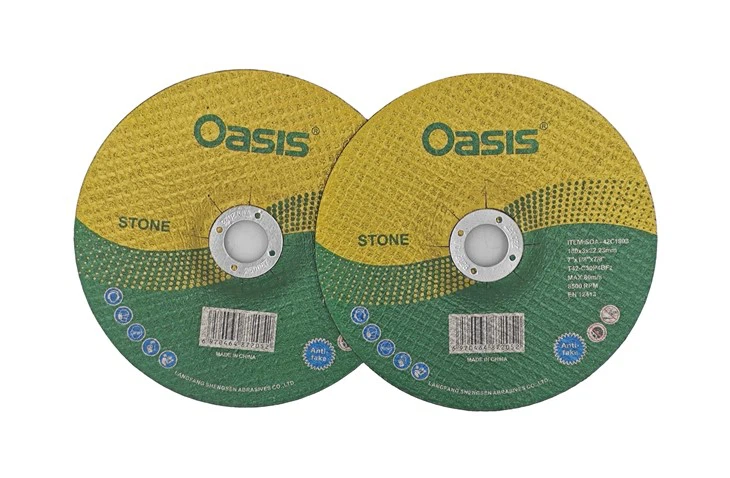

Secondly, it improves the efficiency of the cutting process. By using the right amount of force, the cutting disc can cut through the material smoothly and quickly, reducing the cutting time and increasing productivity. This also helps to extend the lifespan of the cutting disc, as it won't be subjected to unnecessary stress.
Selecting the Right Cutting Disc Based on Cutting Force
When selecting a Universal Cutting Disc, it's important to consider the cutting force requirements. Based on the material, thickness, and other factors mentioned above, you can choose a disc that is suitable for your application.
If you're cutting soft materials or thin sheets, a smaller - diameter disc with a lower power rating may be sufficient. However, if you're dealing with hard materials or thick plates, you'll need a larger - diameter disc and a more powerful cutting tool.
For specialized applications, such as cutting rails or alloys, it's recommended to use Rail Cutting Disc or Alloy&stone Cutting Disc respectively. These discs are designed to handle the specific cutting force requirements of these materials and provide optimal performance.
Conclusion
In conclusion, the cutting force required for a Universal Cutting Disc is influenced by multiple factors, including the material being cut, its thickness, the disc diameter and speed, and the quality and type of the disc. Understanding these factors is crucial for ensuring safe and efficient cutting operations.
As a supplier of Universal Cutting Discs, I'm committed to providing high - quality products that meet the diverse cutting force requirements of our customers. If you have any questions about selecting the right cutting disc or need more information about the cutting force, please feel free to contact us. We're here to assist you in making the best choice for your cutting needs and look forward to discussing potential procurement opportunities with you.
References
- "Cutting Tool Technology" by Stephenson, David A. and Agapiou, John S.
- "Machining Science and Technology" by Kalpakjian, Serope and Schmid, Steven R.