

Hey there! As a supplier of Diamond Cutting Discs, I've seen my fair share of these tools go through their paces. One of the most common questions I get from customers is, "How do I know if a diamond cutting disc is worn out?" Well, I'm here to break it down for you in plain English, so you can keep your projects running smoothly and safely.
Visual Inspection
The first and easiest way to check if your diamond cutting disc is worn out is through a simple visual inspection. Start by looking at the disc's surface. If you notice that the diamond segments are significantly worn down, it's a clear sign that the disc is nearing the end of its life. The segments should have a relatively uniform height across the disc. If you see some segments that are much shorter than others, it means those areas have been working harder and are more worn.
Another thing to look for is damage to the segments. Chips, cracks, or missing pieces can indicate excessive wear or impact damage. Even a small chip can affect the disc's performance and safety. If you find any damaged segments, it's best to replace the disc right away.
Also, take a look at the bond that holds the diamond segments to the disc. If the bond is starting to break down or show signs of wear, it can cause the segments to loosen or fall off. This is a serious safety hazard, so if you notice any issues with the bond, don't use the disc.
Cutting Performance
How the disc performs during cutting is another key indicator of its condition. If you find that the disc is taking longer to cut through materials than it used to, or if it's struggling to make clean cuts, it could be a sign of wear. A worn-out disc may also produce more heat and vibration during cutting, which can not only slow down the process but also damage the workpiece and the tool itself.
For example, if you're using a Alloy&stone Cutting Disc to cut through metal or stone, and you notice that it's leaving rough edges or uneven cuts, it might be time for a new disc. The same goes for Universal Cutting Disc and Rail Cutting Disc. These discs are designed to provide efficient and precise cuts, so any drop in performance is a red flag.
Noise and Vibration
Pay attention to the noise and vibration levels when using the diamond cutting disc. A healthy disc should operate relatively quietly and smoothly. If you start to hear unusual noises, like grinding or rattling, or if you feel excessive vibration in the tool, it could mean that the disc is worn or damaged.
Excessive vibration can be caused by a number of factors, including uneven wear on the segments, a bent or warped disc, or a problem with the arbor hole. In any case, it's important to stop using the disc and inspect it carefully. Continuing to use a disc that's making strange noises or vibrating excessively can not only lead to a poor-quality cut but also pose a safety risk.
Cutting Time and Frequency
The amount of time you've spent using the disc and how often you use it also play a role in determining its wear. If you're using the disc for long periods of time or on a daily basis, it's going to wear out faster than if you only use it occasionally.

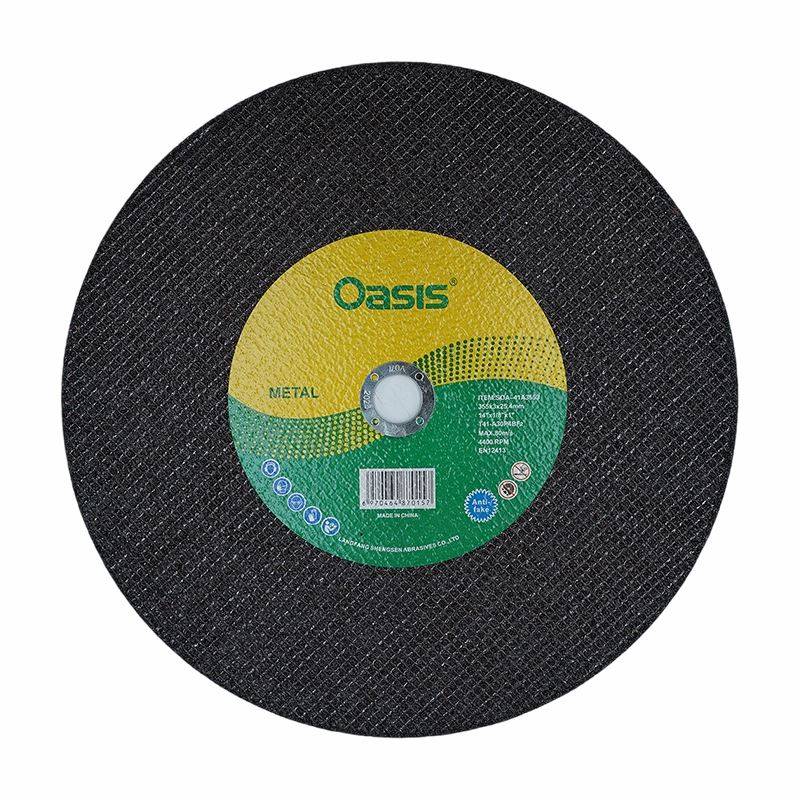
Most diamond cutting discs come with a recommended cutting time or number of cuts. While these are just guidelines, they can give you a general idea of when to expect the disc to start wearing out. Keep track of how much you use the disc, and if you're approaching or exceeding the recommended limits, it's a good idea to start thinking about replacing it.
Safety First
Remember, using a worn-out diamond cutting disc can be extremely dangerous. A disc that's in poor condition is more likely to break or shatter during use, which can cause serious injury to you and those around you. So, always err on the side of caution and replace the disc as soon as you notice any signs of wear or damage.
When to Replace
So, when exactly should you replace your diamond cutting disc? Well, it depends on a few factors, but as a general rule, if you notice any of the following signs, it's time for a new disc:
- The diamond segments are significantly worn down or damaged.
- The disc is struggling to cut through materials or is producing poor-quality cuts.
- You hear unusual noises or feel excessive vibration during use.
- You've reached or exceeded the recommended cutting time or number of cuts.
Choosing the Right Replacement
When it's time to replace your diamond cutting disc, make sure you choose the right one for your needs. Consider the type of material you'll be cutting, the thickness of the material, and the type of tool you'll be using. If you're not sure which disc is best for you, don't hesitate to reach out to us. We're here to help you find the perfect solution for your project.
Contact Us for Procurement
If you're in the market for a new diamond cutting disc, or if you have any questions about our products, we'd love to hear from you. We offer a wide range of high-quality Alloy&stone Cutting Disc, Universal Cutting Disc, and Rail Cutting Disc to meet your specific requirements. Contact us today to start the procurement process and get the best cutting solutions for your projects.
References
- "Diamond Cutting Tools: A Guide to Selection and Use." Industrial Diamond Association of America.
- "Safety Guidelines for Using Diamond Cutting Discs." Occupational Safety and Health Administration.