

Hey there! I'm a supplier of Universal Cutting Discs, and I've seen firsthand how the shape of these discs can make a huge difference in their cutting performance. In this blog, I'm gonna break down how different shapes of Universal Cutting Discs Universal Cutting Disc affect what they can do.
Let's start with the basic round shape, which is the most common one you'll see in the market. The round Universal Cutting Disc is super versatile. It's designed to spin around a central axis, creating a circular cutting path. This shape is great for general - purpose cutting. Whether you're cutting through metal pipes, rods, or thin sheets, the round disc can handle it. The continuous circular motion allows for a smooth and consistent cut. The edge of the disc is constantly in contact with the material being cut, which means you get an even removal of material.
But here's the thing, the thickness of the round disc also plays a role. Thicker discs are more durable and can withstand more pressure. They're perfect for cutting through thicker materials like large - gauge steel or solid metal bars. On the other hand, thinner round discs are more flexible and can make cleaner, more precise cuts. They're ideal for jobs where you need to cut close to a specific line or when working with delicate materials.
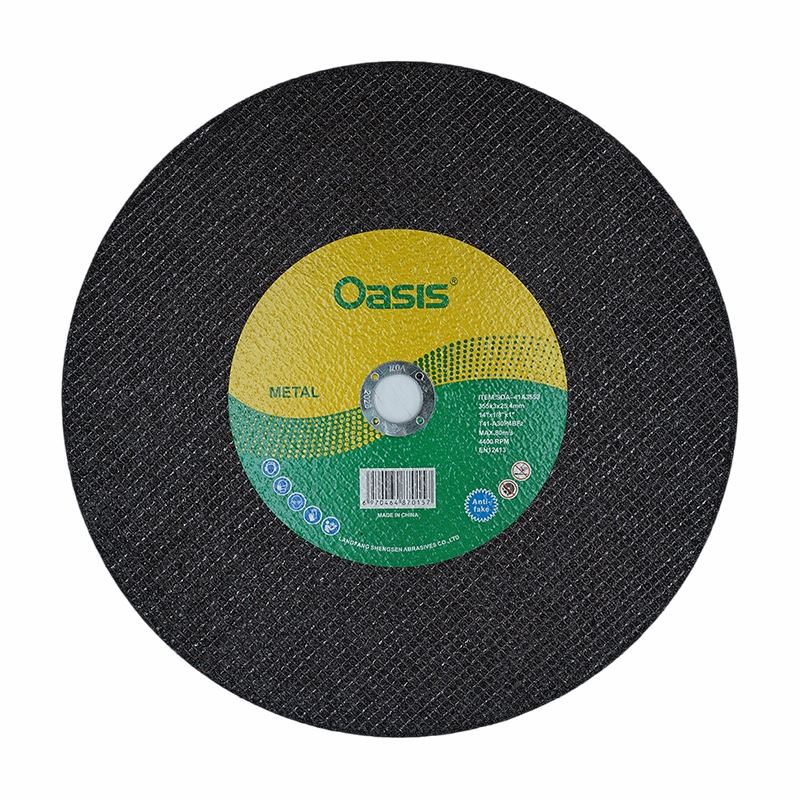

Now, there are also some specialized shapes that have unique advantages. Take the segmented shape for example. Segmented Universal Cutting Discs have gaps or segments cut into the edge of the disc. These segments act as channels for the material being cut to escape. This is especially useful when cutting through materials that produce a lot of debris, like concrete or masonry.
When you're using a segmented disc to cut through concrete, the segments prevent the disc from getting clogged with dust and small pieces of concrete. This keeps the cutting edge exposed and allows the disc to maintain its cutting efficiency. The gaps also help to dissipate heat. Cutting through hard materials like concrete generates a lot of heat, and if the disc gets too hot, it can lose its cutting ability and even warp. The segmented design helps to keep the disc cool, extending its lifespan.
Another interesting shape is the turbo - shaped Universal Cutting Disc. Turbo discs have a wavy or scalloped edge. This design provides a more aggressive cut compared to the standard round disc. The wavy edge bites into the material more effectively, allowing for faster cutting speeds. Turbo discs are often used for heavy - duty cutting jobs, such as cutting through thick metal plates or large - diameter pipes.
However, the turbo shape also has its drawbacks. Because of the more aggressive cutting action, it can produce a rougher cut surface. So, if you're looking for a super - smooth finish, a turbo disc might not be the best choice. But for jobs where speed is the priority and a little roughness on the cut surface is acceptable, turbo discs are a great option.
Let's talk about how the shape affects the cutting speed. As I mentioned earlier, the turbo - shaped disc generally offers faster cutting speeds due to its aggressive edge. But it's not just about the shape; the type of abrasive material on the disc also matters. For example, Ceramic Corundum Cutting Disc often use advanced ceramic corundum abrasives. These abrasives are harder and more durable than traditional ones, which means they can cut through materials faster regardless of the disc shape.
The shape also impacts the cutting accuracy. A round disc with a thin profile is usually more accurate because it can follow a straight line more precisely. This is crucial in applications like metal fabrication, where you need to make precise cuts to ensure that the parts fit together perfectly. In contrast, the more aggressive shapes like the turbo disc might sacrifice a bit of accuracy for speed.
When it comes to cutting different materials, the shape of the Universal Cutting Disc becomes even more important. For cutting rails, Rail Cutting Disc are designed with a specific shape to handle the unique properties of rail steel. Rails are made of high - strength steel, and they need a disc that can cut through the hard surface without wearing out too quickly.
A rail - cutting disc might have a combination of a thick, durable body and a specially designed edge shape. The thick body can withstand the high - pressure cutting required for rails, while the edge shape is optimized to cut through the hard steel efficiently. This could be a segmented or a turbo - like design to ensure fast and effective cutting.
Now, let's consider the wear and tear of the discs based on their shape. Segmented discs tend to wear more evenly because the segments ensure that the cutting load is distributed across the edge of the disc. This means that the disc doesn't wear out in one particular area too quickly, which extends its overall lifespan.
Round discs, especially those with a uniform thickness, also have a relatively even wear pattern. But if you're using a round disc to cut through very hard materials, the outer edge might wear out faster, reducing the disc's cutting performance over time. Turbo discs, with their more aggressive cutting action, can wear out more quickly, especially if used on extremely hard materials. However, they can still be cost - effective for short - term, high - volume cutting jobs.
In terms of safety, the shape of the Universal Cutting Disc also has an impact. A well - designed disc shape can reduce the risk of kickback. Kickback happens when the disc gets caught in the material being cut and suddenly jerks back towards the operator. Segmented and turbo - shaped discs are generally designed to minimize kickback. The gaps in segmented discs and the wavy edge of turbo discs allow the material to move more freely, reducing the chances of the disc getting stuck.
As a supplier, I know that choosing the right shape of Universal Cutting Disc is crucial for getting the best results. It all depends on the type of material you're cutting, the required precision, and the volume of work. If you're doing a lot of general - purpose metal cutting, a standard round disc might be your best bet. But if you're dealing with tough materials like concrete or heavy - duty metal, a segmented or turbo - shaped disc could be more suitable.
If you're in the market for Universal Cutting Discs and want to discuss which shape is right for your specific job, I'd love to have a chat with you. Whether you're a professional contractor, a DIY enthusiast, or a business owner, I can help you find the perfect disc to meet your needs. Just reach out, and we can start a conversation about how to get the most out of your cutting tasks.
References
- "Cutting Tools Handbook", Industrial Press Inc.
- "Advanced Materials for Cutting Tools", Springer Publishing
- Industry research reports on cutting disc technology