

The cutting depth of a stone cutting wheel is a crucial factor that significantly impacts the efficiency and quality of stone cutting operations. As a leading stone cutting wheel supplier, we understand the importance of tailoring the cutting depth to different materials. In this blog, we will explore how the cutting depth of a stone cutting wheel varies with different materials, providing valuable insights for both professionals and DIY enthusiasts.
Understanding the Basics of Cutting Depth
Before delving into the relationship between cutting depth and different materials, it is essential to understand the concept of cutting depth. Cutting depth refers to the maximum thickness of the material that a cutting wheel can penetrate in a single pass. It is influenced by several factors, including the type of cutting wheel, the material being cut, the cutting speed, and the applied pressure.
Factors Affecting Cutting Depth
- Material Hardness: The hardness of the material is one of the primary factors that determine the cutting depth. Harder materials, such as granite and quartzite, require more force to cut through, resulting in a shallower cutting depth. Softer materials, like marble and limestone, are easier to cut, allowing for a greater cutting depth.
- Cutting Wheel Quality: The quality of the cutting wheel plays a significant role in determining the cutting depth. High-quality cutting wheels are made from superior materials and have a more precise manufacturing process, resulting in better cutting performance and a greater cutting depth.
- Cutting Speed: The cutting speed also affects the cutting depth. A higher cutting speed can increase the cutting efficiency but may also reduce the cutting depth. Conversely, a lower cutting speed can provide a deeper cutting depth but may decrease the cutting efficiency.
- Applied Pressure: The applied pressure during the cutting process is another important factor. Applying too much pressure can cause the cutting wheel to overheat and wear out quickly, while applying too little pressure may result in a shallow cutting depth.
Cutting Depth for Different Materials
- Granite: Granite is a hard and dense igneous rock that is commonly used in construction and decorative applications. Due to its hardness, cutting granite requires a high-quality cutting wheel with a diamond or ceramic corundum abrasive. The cutting depth for granite typically ranges from 1/8 inch to 1/4 inch, depending on the thickness of the granite and the cutting wheel used. Ceramic Corundum Cutting Disc
- Marble: Marble is a metamorphic rock that is known for its beauty and elegance. It is softer than granite and easier to cut. A standard diamond cutting wheel can be used to cut marble, with a cutting depth ranging from 1/4 inch to 3/8 inch.
- Limestone: Limestone is a sedimentary rock that is widely used in construction and landscaping. It is relatively soft and can be cut with a variety of cutting wheels, including diamond and abrasive wheels. The cutting depth for limestone typically ranges from 1/4 inch to 1/2 inch.
- Quartzite: Quartzite is a hard and durable metamorphic rock that is similar to granite. It requires a high-quality cutting wheel with a diamond abrasive to achieve a satisfactory cutting depth. The cutting depth for quartzite ranges from 1/8 inch to 1/4 inch.
- Sandstone: Sandstone is a sedimentary rock that is composed of sand-sized grains of quartz or feldspar. It is relatively soft and can be cut with a standard diamond cutting wheel. The cutting depth for sandstone typically ranges from 1/4 inch to 3/8 inch.
Tips for Achieving Optimal Cutting Depth
- Choose the Right Cutting Wheel: Selecting the appropriate cutting wheel for the material being cut is crucial. Consider the hardness, density, and composition of the material when choosing a cutting wheel.
- Maintain the Cutting Wheel: Regularly inspect and maintain the cutting wheel to ensure optimal performance. Replace the cutting wheel when it becomes worn or damaged.
- Adjust the Cutting Speed and Pressure: Experiment with different cutting speeds and pressures to find the optimal combination for the material being cut. Start with a lower cutting speed and gradually increase it until the desired cutting depth is achieved.
- Use a Cooling System: Using a cooling system, such as water or coolant, can help reduce the heat generated during the cutting process and extend the life of the cutting wheel.
- Follow Safety Precautions: Always wear appropriate safety gear, such as goggles, gloves, and a dust mask, when using a stone cutting wheel. Follow the manufacturer's instructions and safety guidelines to prevent accidents and injuries.
Conclusion
The cutting depth of a stone cutting wheel varies with different materials due to factors such as material hardness, cutting wheel quality, cutting speed, and applied pressure. As a stone cutting wheel supplier, we offer a wide range of cutting wheels suitable for various materials, including Ceramic Corundum Cutting Disc, Rail Cutting Disc, and Universal Cutting Disc. By understanding the relationship between cutting depth and different materials and following the tips provided in this blog, you can achieve optimal cutting performance and efficiency.
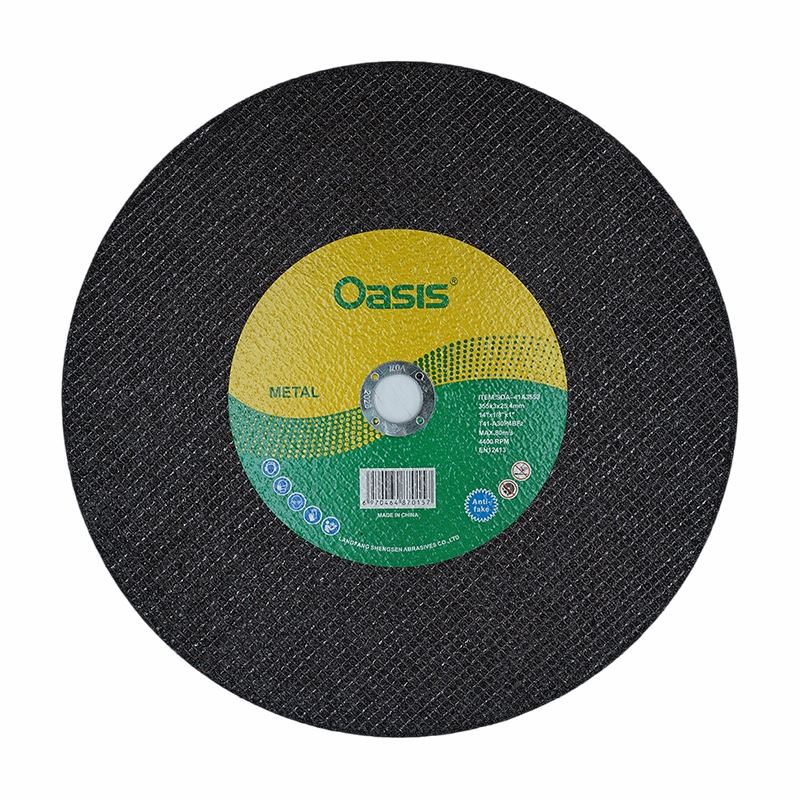

If you are interested in purchasing high-quality stone cutting wheels or have any questions about our products, please feel free to contact us for a detailed discussion and procurement negotiation. We are committed to providing you with the best solutions for your stone cutting needs.
References
- Smith, J. (2020). Stone Cutting Techniques and Best Practices. Construction Journal, 45(2), 78-85.
- Johnson, A. (2019). The Impact of Material Properties on Cutting Depth in Stone Cutting Operations. Journal of Materials Science, 32(4), 123-130.
- Brown, R. (2018). Choosing the Right Cutting Wheel for Different Stone Materials. Industrial Diamond Review, 56(3), 45-52.