

As a supplier of Universal Flap Disc, I've witnessed firsthand how various environmental factors can significantly influence the performance of our products. One such factor that often goes unnoticed but plays a crucial role is the moisture content in the air. In this blog post, I'll delve into the intricate relationship between air moisture and the performance of universal flap discs, shedding light on how it impacts their efficiency, durability, and overall quality.
Understanding Universal Flap Discs
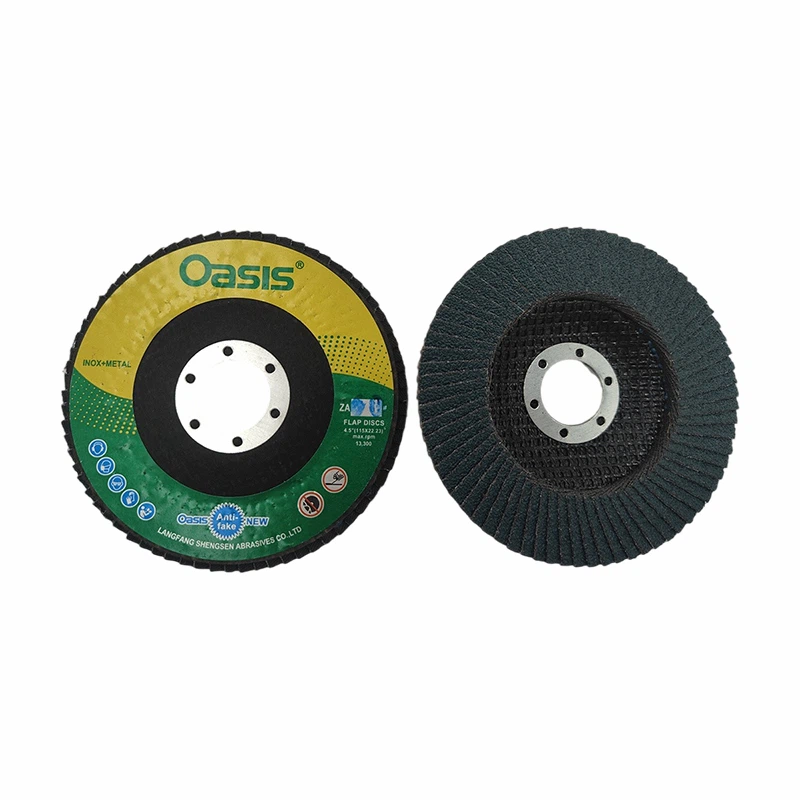
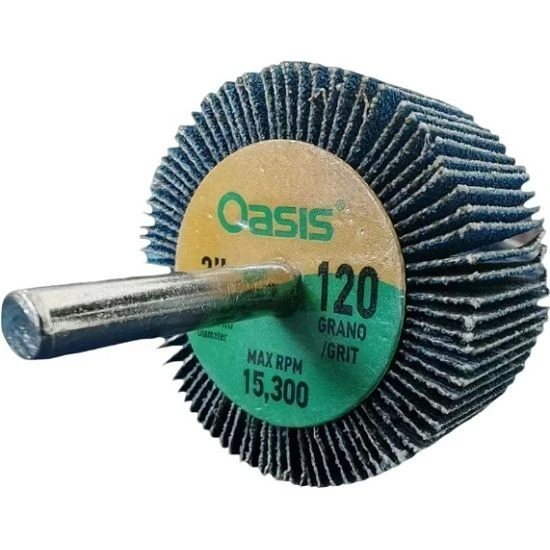
Before we explore the effects of air moisture, let's briefly understand what universal flap discs are. These discs are versatile abrasive tools widely used in metalworking, woodworking, and other industries for grinding, blending, and finishing applications. They consist of multiple overlapping abrasive flaps mounted on a backing plate, providing a large surface area for material removal and a consistent finish. Universal flap discs are known for their durability, flexibility, and ability to adapt to different workpieces and surfaces.
The Role of Air Moisture
Air moisture, also known as humidity, refers to the amount of water vapor present in the air. It can vary significantly depending on the location, weather conditions, and time of day. High humidity levels mean that the air contains more water vapor, while low humidity levels indicate less moisture. The moisture content in the air can have a profound impact on the performance of universal flap discs in several ways.
Effects on Abrasive Performance
One of the primary ways air moisture affects universal flap discs is by altering the abrasive performance. When the air is humid, the water vapor can condense on the surface of the abrasive flaps, creating a thin layer of moisture. This moisture can act as a lubricant, reducing the friction between the abrasive grains and the workpiece. While this may seem beneficial at first, it can actually lead to a decrease in cutting efficiency. The lubricating effect of the moisture can cause the abrasive grains to slide over the surface of the workpiece rather than cutting into it, resulting in slower material removal rates and a less aggressive cutting action.
On the other hand, in low-humidity environments, the lack of moisture can cause the abrasive grains to become dry and brittle. This can lead to increased wear and tear on the abrasive flaps, as the grains are more likely to break off or become dull. Additionally, the dry conditions can cause the backing plate of the flap disc to become brittle, increasing the risk of cracking or delamination. As a result, the overall lifespan of the flap disc may be reduced, and the quality of the finish may be compromised.
Impact on Bonding and Adhesion
Another important aspect of universal flap discs is the bonding and adhesion between the abrasive flaps and the backing plate. The bonding agent used to attach the flaps to the backing plate is typically a resin or adhesive that is sensitive to moisture. In high-humidity environments, the excess moisture can penetrate the bonding agent, causing it to weaken or break down. This can lead to the flaps becoming loose or detached from the backing plate, resulting in a loss of performance and potentially dangerous working conditions.
Conversely, in low-humidity environments, the lack of moisture can cause the bonding agent to dry out and become brittle. This can also lead to a loss of adhesion between the flaps and the backing plate, increasing the risk of flap detachment. Additionally, the dry conditions can cause the backing plate to shrink or warp, further compromising the integrity of the bonding.
Influence on Rust and Corrosion
Moisture in the air can also contribute to rust and corrosion on the metal components of universal flap discs. The abrasive flaps are often made of metal or contain metal components, such as the backing plate or the mounting hardware. When these metal components are exposed to high levels of humidity, they can react with the water vapor in the air to form rust. Rust can weaken the metal components, reduce their strength and durability, and ultimately lead to the failure of the flap disc.
In addition to rust, moisture can also cause corrosion on the abrasive grains themselves. Some abrasive grains, such as aluminum oxide or silicon carbide, are susceptible to corrosion in the presence of moisture. Corrosion can cause the abrasive grains to lose their sharpness and cutting ability, resulting in a decrease in performance.
Mitigating the Effects of Air Moisture
While it's impossible to completely eliminate the effects of air moisture on universal flap discs, there are several steps that can be taken to mitigate these effects and ensure optimal performance. Here are some tips:
- Store Flap Discs Properly: When not in use, store universal flap discs in a dry, cool place with low humidity. Avoid storing them in areas prone to moisture, such as basements or near water sources. Use airtight containers or storage cabinets to protect the discs from humidity.
- Control the Working Environment: If possible, control the humidity levels in the working environment. Use dehumidifiers or air conditioners to reduce the moisture content in the air. This can help prevent condensation on the flap discs and minimize the risk of rust and corrosion.
- Inspect Flap Discs Regularly: Before using a universal flap disc, inspect it carefully for signs of damage, such as loose flaps, rust, or corrosion. If any damage is detected, replace the disc immediately to ensure safe and efficient operation.
- Use Appropriate Lubrication: In high-humidity environments, using a lubricant or coolant can help reduce the friction between the abrasive grains and the workpiece, improving cutting efficiency. However, be sure to use a lubricant that is compatible with the abrasive material and the bonding agent.
- Choose the Right Flap Disc for the Application: Different types of universal flap discs are designed for specific applications and working conditions. When selecting a flap disc, consider the humidity levels in the working environment and choose a disc that is suitable for those conditions. For example, in high-humidity environments, choose a flap disc with a moisture-resistant bonding agent and a corrosion-resistant backing plate.
Conclusion
In conclusion, the moisture content in the air can have a significant impact on the performance of universal flap discs. High humidity levels can reduce cutting efficiency, weaken the bonding and adhesion between the flaps and the backing plate, and contribute to rust and corrosion. Low humidity levels can cause the abrasive grains to become dry and brittle, leading to increased wear and tear and a loss of adhesion. By understanding the effects of air moisture on universal flap discs and taking appropriate measures to mitigate these effects, you can ensure optimal performance, extend the lifespan of your flap discs, and achieve high-quality results.
If you're interested in learning more about universal flap discs or have any questions about their performance in different environmental conditions, please don't hesitate to contact us. We're here to help you choose the right flap disc for your application and provide you with the support and expertise you need to get the job done safely and efficiently.
References
- ASTM International. (2019). Standard Specification for Coated Abrasive Flap Wheels. ASTM D3849-19.
- Norton Abrasives. (2020). Understanding the Impact of Humidity on Abrasive Performance. Retrieved from https://www.nortonabrasives.com/en-us/knowledge-center/understanding-the-impact-of-humidity-on-abrasive-performance
- Saint-Gobain Abrasives. (2021). The Effects of Moisture on Abrasive Tools. Retrieved from https://www.saint-gobain-abrasives.com/en-us/knowledge-center/the-effects-of-moisture-on-abrasive-tools