

What is the Hardness of a Metal Cutting Disc?
As a supplier of metal cutting discs, I often get asked about the hardness of these essential tools. Understanding the hardness of a metal cutting disc is crucial for both professionals in the metalworking industry and DIY enthusiasts. It directly impacts the performance, durability, and efficiency of the cutting process. In this blog post, I'll delve into the concept of hardness in metal cutting discs, its significance, and how it relates to different types of cutting applications.
Defining Hardness in Metal Cutting Discs
Hardness, in the context of metal cutting discs, refers to the disc's ability to resist deformation and wear during the cutting process. It is a measure of how well the disc can maintain its shape and cutting edge while being subjected to the high pressures and friction generated when cutting through various metals. The hardness of a cutting disc is primarily determined by the materials used in its manufacturing and the manufacturing process itself.
The most common materials used in metal cutting discs are abrasive grains, such as aluminum oxide, silicon carbide, and diamond. Each of these materials has different hardness properties, which affect the performance of the cutting disc. For example, diamond is one of the hardest materials known, making diamond cutting discs ideal for cutting extremely hard metals and materials like ceramics and glass. On the other hand, aluminum oxide and silicon carbide are less hard but are still effective for cutting a wide range of metals, including steel, stainless steel, and aluminum.
The Significance of Hardness in Cutting Performance
The hardness of a metal cutting disc plays a vital role in determining its cutting performance. A harder cutting disc will generally have a longer lifespan and be more resistant to wear, which means it can cut through metals more efficiently and for a longer period of time. This is especially important in industrial applications where large volumes of metal need to be cut on a regular basis.
In addition to durability, hardness also affects the cutting speed and quality. A harder cutting disc can cut through metals more quickly, reducing the time and effort required for the cutting process. It also produces a cleaner and smoother cut, which is essential for applications where precision is key. For example, in the automotive and aerospace industries, where parts need to be cut with high accuracy, a hard cutting disc is often the preferred choice.
However, it's important to note that hardness is not the only factor that determines the performance of a cutting disc. Other factors, such as the type of metal being cut, the thickness of the metal, and the cutting conditions, also play a significant role. Therefore, it's essential to choose the right cutting disc based on the specific requirements of the cutting application.
Different Types of Metal Cutting Discs and Their Hardness
There are several types of metal cutting discs available on the market, each with its own unique hardness properties and applications. Here are some of the most common types:

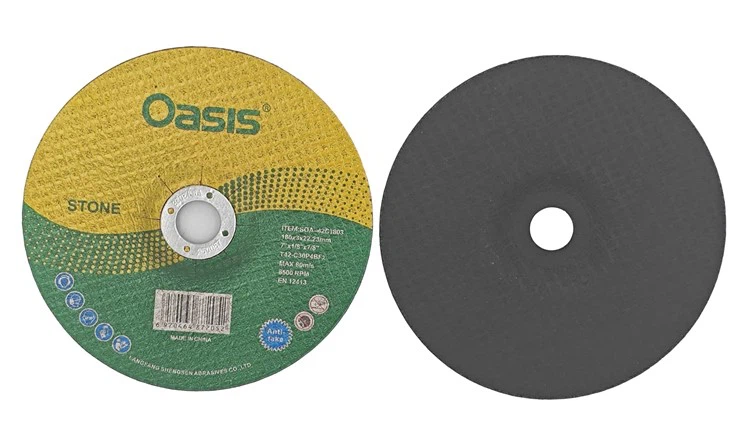
- Alloy&stone Cutting Disc: These cutting discs are designed for cutting a variety of alloys and stones. They are typically made with a combination of abrasive grains and a resin bond, which provides a good balance of hardness and flexibility. The Alloy&stone Cutting Disc is suitable for both wet and dry cutting applications and can be used on a wide range of materials, including stainless steel, cast iron, and natural stone.
- Rail Cutting Disc: Rail cutting discs are specifically designed for cutting rails and other heavy-duty metal structures. They are usually made with a high-quality abrasive material and a strong bond, which allows them to withstand the high pressures and forces generated during the cutting process. The Rail Cutting Disc is known for its excellent cutting performance and long lifespan, making it a popular choice among railway maintenance crews and construction workers.
- Universal Cutting Disc: As the name suggests, universal cutting discs are versatile tools that can be used for a variety of cutting applications. They are typically made with a combination of abrasive grains and a resin bond, which provides a good balance of hardness and flexibility. The Universal Cutting Disc is suitable for cutting a wide range of metals, including steel, stainless steel, aluminum, and copper, as well as other materials like plastics and wood.
Factors Affecting the Hardness of Metal Cutting Discs
In addition to the materials used in their manufacturing, several other factors can affect the hardness of metal cutting discs. These include:
- Manufacturing Process: The manufacturing process used to produce the cutting disc can have a significant impact on its hardness. For example, discs that are sintered at high temperatures tend to be harder than those that are bonded with a resin.
- Grain Size: The size of the abrasive grains used in the cutting disc can also affect its hardness. Generally, smaller grains result in a harder cutting disc, while larger grains result in a softer disc.
- Bond Strength: The strength of the bond between the abrasive grains and the disc substrate can also affect the hardness of the cutting disc. A stronger bond will generally result in a harder disc, while a weaker bond will result in a softer disc.
Choosing the Right Hardness for Your Cutting Application
When choosing a metal cutting disc, it's important to consider the specific requirements of your cutting application. Here are some factors to keep in mind:
- Type of Metal: Different metals have different hardness properties, so it's important to choose a cutting disc that is suitable for the type of metal you are cutting. For example, if you are cutting stainless steel, you may need a harder cutting disc than if you are cutting aluminum.
- Thickness of the Metal: The thickness of the metal being cut can also affect the choice of cutting disc. Thicker metals generally require a harder cutting disc, while thinner metals can be cut with a softer disc.
- Cutting Conditions: The cutting conditions, such as the cutting speed, feed rate, and coolant usage, can also affect the performance of the cutting disc. For example, cutting at a high speed or without coolant can generate more heat, which can cause the cutting disc to wear out more quickly.
Conclusion
In conclusion, the hardness of a metal cutting disc is a crucial factor that affects its performance, durability, and efficiency. Understanding the concept of hardness and how it relates to different types of cutting applications is essential for choosing the right cutting disc for your needs. As a supplier of metal cutting discs, I am committed to providing high-quality products that meet the diverse needs of our customers. If you have any questions or need assistance in choosing the right cutting disc for your application, please don't hesitate to contact us. We are here to help you make the most informed decision and ensure that you get the best results from your cutting operations.
References
- ASM Handbook, Volume 8: Mechanical Testing and Evaluation, ASM International
- Cutting Tool Engineering Handbook, Society of Manufacturing Engineers
- Metal Cutting Technology: Theory and Practice, CRC Press