

As a supplier of Universal Flap Discs, I've witnessed firsthand the critical role that the thickness of the flaps plays in determining the disc's overall performance. In this blog post, I'll delve into the science behind flap thickness and explain how it affects the cutting, grinding, and finishing capabilities of these versatile tools.
Understanding the Basics of Universal Flap Discs
Before we dive into the impact of flap thickness, let's first understand what a Universal Flap Disc is and how it works. A Universal Flap Disc is a type of abrasive tool that consists of multiple overlapping flaps of abrasive material attached to a central hub. These flaps are typically made from a combination of abrasive grains, such as aluminum oxide or zirconia alumina, and a backing material, such as cloth or paper.
The design of the Universal Flap Disc allows it to perform a variety of tasks, including grinding, blending, and finishing. The overlapping flaps provide a large surface area for contact with the workpiece, which helps to distribute the load evenly and prevent overheating. Additionally, the flaps are flexible, which allows them to conform to the shape of the workpiece and provide a smooth, consistent finish.
The Role of Flap Thickness in Performance
The thickness of the flaps in a Universal Flap Disc is a critical factor that can significantly impact its performance. Thicker flaps generally offer greater durability and longer life, while thinner flaps provide a more aggressive cut and faster material removal. Let's take a closer look at how flap thickness affects each aspect of the disc's performance.
Cutting Performance
When it comes to cutting, the thickness of the flaps plays a crucial role in determining the disc's ability to penetrate the workpiece. Thicker flaps are more rigid and less likely to flex, which allows them to maintain a consistent cutting edge and provide a smoother, more controlled cut. However, thicker flaps also have a larger mass, which can make them more difficult to maneuver and may result in slower cutting speeds.
On the other hand, thinner flaps are more flexible and can conform to the shape of the workpiece more easily. This allows them to penetrate the material more quickly and provide a more aggressive cut. However, thinner flaps are also more prone to wear and may need to be replaced more frequently.
Grinding Performance
In grinding applications, the thickness of the flaps affects the disc's ability to remove material and achieve a smooth finish. Thicker flaps are better suited for heavy grinding tasks, as they can withstand the high pressures and forces involved without breaking down. They also provide a more consistent grind, as they are less likely to flex or vibrate during use.
Thinner flaps, on the other hand, are ideal for light grinding and finishing applications. They can remove material quickly and efficiently, while also providing a smooth, fine finish. However, thinner flaps may not be as durable as thicker flaps and may need to be replaced more often.
Finishing Performance
When it comes to finishing, the thickness of the flaps plays a crucial role in determining the quality of the final surface. Thicker flaps are better suited for coarse finishing tasks, as they can remove large amounts of material quickly and leave a rough surface finish. However, they may not be able to achieve the same level of smoothness and precision as thinner flaps.
Thinner flaps, on the other hand, are ideal for fine finishing applications, as they can provide a smooth, polished surface finish. They are also more flexible and can conform to the shape of the workpiece more easily, which allows them to reach tight corners and edges. However, thinner flaps may not be as durable as thicker flaps and may need to be replaced more often.
Choosing the Right Flap Thickness for Your Application
Now that we understand how flap thickness affects the performance of a Universal Flap Disc, let's take a look at how to choose the right flap thickness for your specific application. The following factors should be considered when selecting a flap thickness:
Material Type
The type of material you are working with will have a significant impact on the flap thickness you should choose. Harder materials, such as stainless steel and titanium, require thicker flaps to withstand the high pressures and forces involved in cutting and grinding. Softer materials, such as aluminum and wood, can be cut and ground more easily with thinner flaps.
Application Type
The type of application you are performing will also affect the flap thickness you should choose. Heavy grinding and cutting tasks require thicker flaps, while light grinding and finishing applications can be performed with thinner flaps.
Desired Finish
The desired finish of the workpiece will also play a role in the flap thickness you should choose. Coarse finishes can be achieved with thicker flaps, while fine finishes require thinner flaps.

Tool Speed
The speed of the tool you are using will also affect the flap thickness you should choose. Higher tool speeds require thicker flaps to prevent overheating and premature wear.
Conclusion
In conclusion, the thickness of the flaps in a Universal Flap Disc is a critical factor that can significantly impact its performance. Thicker flaps offer greater durability and longer life, while thinner flaps provide a more aggressive cut and faster material removal. When selecting a flap thickness, it's important to consider the material type, application type, desired finish, and tool speed. By choosing the right flap thickness for your specific application, you can ensure that your Universal Flap Disc performs at its best and provides the results you need.
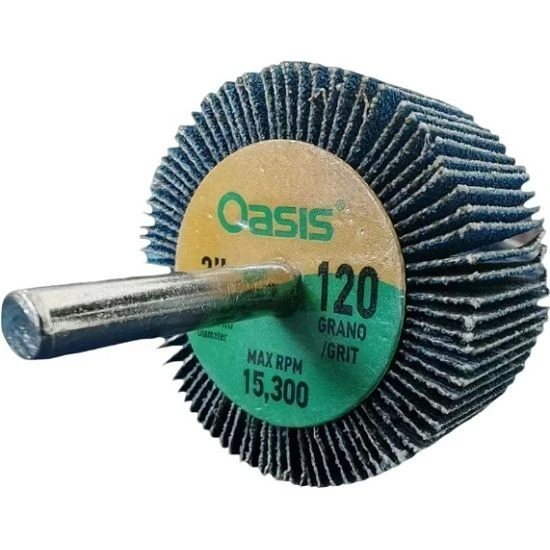
If you're in the market for a high-quality Universal Flap Disc, look no further. Our Universal Flap Disc is designed to provide superior performance and durability in a wide range of applications. We also offer a Shaft-mounted Flap Wheel for even more versatility. Contact us today to learn more about our products and how they can benefit your business.
References
- Abrasive Engineering Handbook
- Industrial Abrasive Products Manual
- Abrasive Technology Journal