

Hey there! I'm a supplier of grinding discs, and today I wanna chat about how water absorption affects the grinding disc in wet grinding.
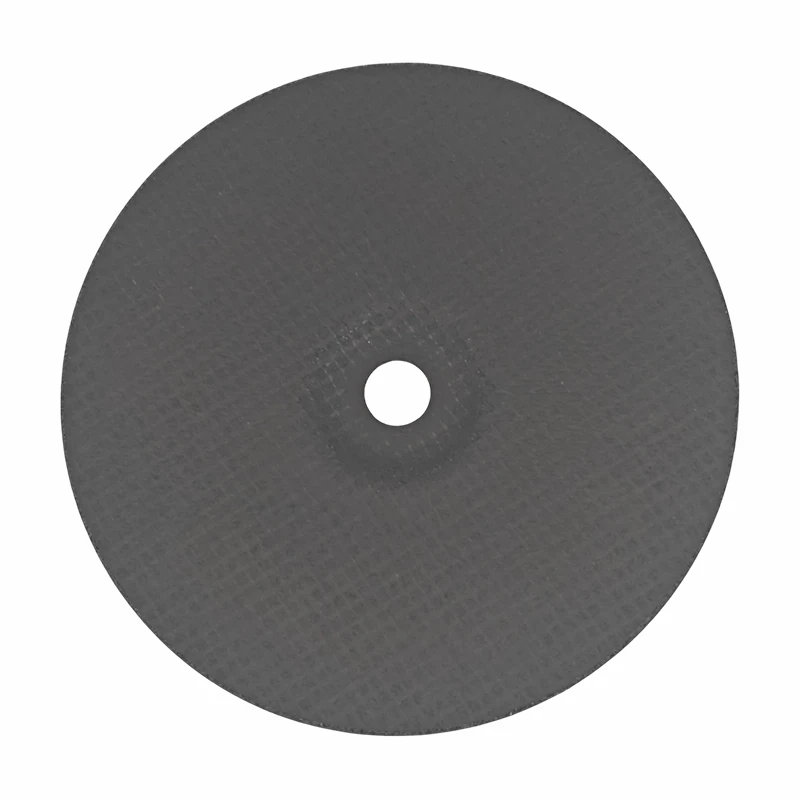
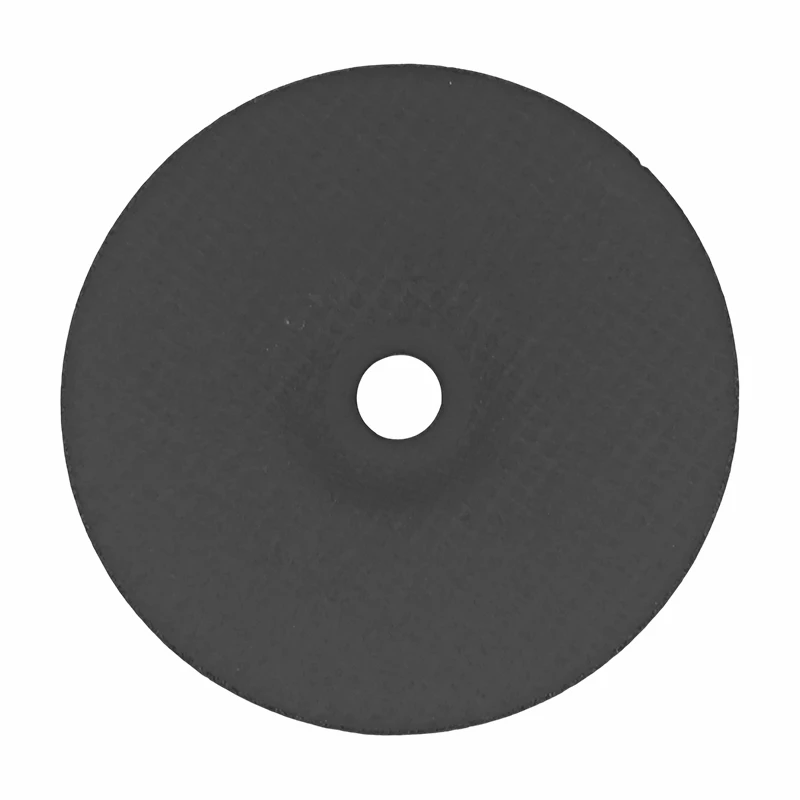
First off, let's talk about what wet grinding is. Wet grinding is a process that uses a liquid (usually water) to cool down the grinding area and flush away the debris produced during the grinding process. It's pretty common in industries like metalworking, ceramics, and glass manufacturing.
Now, let's get into the water absorption part. Water absorption refers to the ability of the grinding disc to soak up water. Different types of grinding discs have different water absorption rates, and this can have a big impact on how well they perform in wet grinding.
Impact on Structure and Durability
When a grinding disc absorbs water, its structure can change. Some grinding discs are made of porous materials, and when water gets into those pores, it can cause the disc to expand slightly. This expansion might seem minor, but it can actually affect the integrity of the disc. For example, if the expansion is uneven, it can lead to cracks or chips in the disc over time.
Let's say you're using a Ceramic Straight Wheels for wet grinding. These wheels are known for their high - performance in various grinding applications. But if they absorb too much water, the structure of the ceramic material can be compromised. The water can seep into the tiny spaces between the ceramic particles, and as the disc heats up during grinding, the water turns to steam. This steam can create internal pressure, which might cause the disc to break or wear out faster than normal.
On the other hand, a certain amount of water absorption can also be beneficial. It can act as a sort of lubricant within the disc. The water can reduce the friction between the abrasive particles and the workpiece, which helps to extend the life of the grinding disc. But finding that sweet spot is crucial. If the water absorption is too low, the disc might overheat, and if it's too high, the disc's structure can be damaged.
Effect on Grinding Performance
Water absorption also affects the grinding performance of the disc. When a grinding disc has the right amount of water absorption, it can maintain a consistent grinding action. The water helps to keep the abrasive grains sharp by flushing away the debris that would otherwise clog them up.
Take the Ceramic Corundum Grinding Disc as an example. These discs are made of ceramic - bonded corundum abrasives, which are very hard and sharp. In wet grinding, if the disc absorbs water properly, it can prevent the corundum grains from getting dull too quickly. The water cools down the grains and the workpiece, reducing the heat - related damage to both.
However, if the water absorption is off - balance, the grinding performance can suffer. If the disc absorbs too little water, the heat generated during grinding can cause the workpiece to warp or the abrasive grains to break down prematurely. This leads to a rougher surface finish and less efficient grinding. On the contrary, if the disc absorbs too much water, the abrasive grains might become too loose, and they can fall off the disc easily. This not only reduces the grinding effectiveness but also increases the risk of contamination in the grinding process.
Influence on Surface Finish
The surface finish of the workpiece is another important aspect affected by the water absorption of the grinding disc. A well - balanced water absorption can result in a smooth and even surface finish. The water helps to control the cutting action of the abrasive grains, preventing them from digging too deeply into the workpiece and causing scratches or rough spots.
For instance, when using Silicon Carbide Grinding Disc in wet grinding, the right water absorption rate can ensure that the silicon carbide grains cut the workpiece cleanly. The water acts as a buffer, allowing the grains to remove material in a more controlled manner. This is especially important when grinding materials like glass or ceramics, where a high - quality surface finish is often required.
If the water absorption is incorrect, the surface finish will be negatively impacted. Too little water can cause the disc to overheat and create a rough, burned - looking surface on the workpiece. Too much water can make the grinding action too soft, resulting in a surface that is uneven or has a hazy appearance.
Factors Affecting Water Absorption
There are several factors that can affect the water absorption of a grinding disc. The material of the disc is one of the most important factors. As I mentioned earlier, ceramic discs and silicon carbide discs have different water absorption characteristics. Ceramic materials tend to be more porous and can absorb more water compared to some other materials.
The manufacturing process of the disc also plays a role. The way the abrasive grains are bonded together and the density of the disc can influence how much water it can absorb. For example, a disc with a looser bond might absorb more water than a disc with a tight bond.
The environment in which the grinding takes place is another factor. The temperature and humidity of the workspace can affect the water absorption rate. In a hot and dry environment, the water on the disc might evaporate quickly, reducing the effective water absorption. In a humid environment, the disc might absorb more water than intended.
Controlling Water Absorption
As a grinding disc supplier, I know how important it is to control the water absorption of the discs. We use various techniques during the manufacturing process to ensure that the discs have the right water absorption characteristics for different applications.
One way is to choose the right materials and bonding agents. We carefully select the abrasive grains and the bonding materials to create a disc with the desired porosity. For example, we can adjust the ratio of ceramic particles in a ceramic - bonded disc to control its water absorption.
We also conduct quality control tests on the discs. These tests measure the water absorption rate and other properties of the discs to make sure they meet the required standards. By doing this, we can provide our customers with grinding discs that perform well in wet grinding applications.
Conclusion
In conclusion, water absorption has a significant impact on the grinding disc in wet grinding. It affects the structure, durability, grinding performance, and surface finish of the disc. As a grinding disc supplier, we understand the importance of getting the water absorption right. We strive to produce high - quality grinding discs that can handle the challenges of wet grinding.
If you're in the market for grinding discs and want to learn more about how water absorption can affect your grinding process, or if you have any other questions about our Ceramic Straight Wheels, Ceramic Corundum Grinding Disc, or Silicon Carbide Grinding Disc, don't hesitate to reach out and start a conversation about your procurement needs. We're here to help you find the best grinding solutions for your specific requirements.
References
- Smith, J. (2020). "The Science of Grinding Discs in Wet Processes." Industrial Grinding Journal.
- Brown, A. et al. (2021). "Water Absorption and Its Effect on Abrasive Tools." Abrasion Research Quarterly.