

Adjusting grinding parameters when using a Universal Flap Disc is crucial for achieving optimal performance and desired results. As a supplier of Universal Flap Discs, I've witnessed firsthand how proper parameter adjustment can significantly enhance the efficiency and quality of grinding operations. In this blog, I'll share some insights on how to adjust these parameters effectively.
Understanding the Basics of Universal Flap Discs
Before delving into parameter adjustment, it's essential to understand what a Universal Flap Disc is. A Universal Flap Disc is a versatile abrasive tool used for grinding, blending, and finishing various materials, including metal, wood, and plastic. It consists of multiple overlapping abrasive flaps attached to a backing plate, which allows for continuous self - sharpening during use.
Factors Affecting Grinding Parameters
Several factors influence the grinding parameters of a Universal Flap Disc. These include the material being ground, the type of operation (rough grinding, finishing, etc.), the machine's speed, and the pressure applied during grinding.
Material Being Ground
Different materials have different hardness and abrasion resistance properties. For example, grinding stainless steel requires different parameters compared to grinding mild steel. Stainless steel is harder and more prone to work - hardening, so a lower grinding pressure and a finer grit flap disc may be required to prevent overheating and achieve a smooth finish. On the other hand, mild steel can generally tolerate higher pressures and coarser grits for faster material removal.
Type of Operation
The nature of the grinding operation also plays a significant role in parameter adjustment. Rough grinding operations, where large amounts of material need to be removed quickly, typically require a coarser grit flap disc and higher pressure. Finishing operations, on the other hand, call for a finer grit disc and lower pressure to achieve a smooth and polished surface.
Machine Speed
The speed of the grinding machine is another critical factor. Most Universal Flap Discs have a recommended maximum operating speed specified by the manufacturer. Exceeding this speed can lead to premature wear of the disc, reduced performance, and even safety hazards. It's important to match the machine's speed with the disc's specifications. For example, if you're using a high - speed grinder, make sure the Universal Flap Disc is rated for that speed.

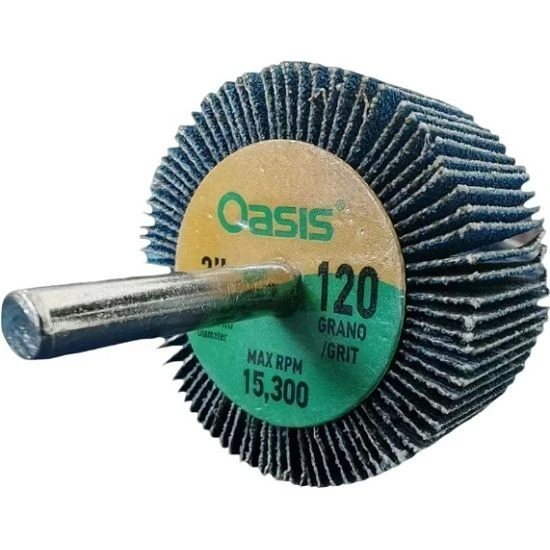
Pressure Applied
The amount of pressure applied during grinding affects both the material removal rate and the surface finish. Applying too much pressure can cause the disc to wear out quickly, generate excessive heat, and result in a rough surface finish. Conversely, applying too little pressure may lead to inefficient material removal. Finding the right balance is key. A general rule of thumb is to apply just enough pressure to keep the disc cutting effectively without overloading it.
Adjusting the Grinding Parameters
Grit Selection
The grit size of the Universal Flap Disc is the first parameter to consider. Coarser grits (e.g., 24 - 60 grit) are suitable for rough grinding and heavy material removal. They can quickly remove large amounts of stock, but they leave a rougher surface finish. Finer grits (e.g., 80 - 220 grit) are used for finishing operations, such as blending welds and achieving a smooth surface. When transitioning from rough grinding to finishing, it's a good practice to gradually move to finer grits to ensure a smooth and consistent finish.
Speed Adjustment
As mentioned earlier, matching the machine speed with the disc's recommended speed is crucial. Check the label on the Universal Flap Disc for the maximum operating speed. If your grinder has variable speed settings, adjust the speed according to the material and the type of operation. For example, when grinding hard materials like stainless steel, a lower speed may be more appropriate to prevent overheating and excessive wear of the disc.
Pressure Control
Controlling the pressure applied during grinding is a skill that comes with practice. Start by applying light pressure and gradually increase it until you achieve the desired material removal rate. Pay attention to the sound and feel of the grinding process. If you hear a high - pitched screeching sound or feel excessive vibration, it may indicate that you're applying too much pressure. Reduce the pressure and adjust your technique accordingly.
Angle of Approach
The angle at which the Universal Flap Disc contacts the workpiece also affects the grinding performance. A shallower angle (e.g., 15 - 30 degrees) is generally recommended for most grinding operations. This angle allows the disc to cut more efficiently and reduces the risk of gouging the workpiece. When grinding flat surfaces, keep the disc parallel to the surface for an even finish.
Troubleshooting Common Grinding Issues
Even with proper parameter adjustment, you may encounter some common grinding issues. Here are some solutions:
Excessive Wear of the Disc
If the Universal Flap Disc is wearing out too quickly, it could be due to several factors. Check the machine speed; if it's too high, reduce it to the recommended level. Also, examine the pressure applied. Applying too much pressure can cause accelerated wear. Additionally, make sure the disc is suitable for the material being ground. Using the wrong grit size or type of abrasive can also lead to premature wear.
Poor Surface Finish
A poor surface finish may result from using a coarser grit than necessary or applying too much pressure. Switch to a finer grit flap disc and reduce the pressure. Also, ensure that the disc is in good condition. Damaged or worn - out flaps can leave scratches on the workpiece.
Overheating
Overheating can occur when grinding hard materials or when the machine speed is too high. Reduce the speed and apply less pressure. You can also use a coolant or lubricant to dissipate heat and extend the life of the disc.
Complementary Products: Shaft - mounted Flap Wheels
In some grinding applications, a Shaft - mounted Flap Wheel can be a great complement to a Universal Flap Disc. Shaft - mounted Flap Wheels are ideal for reaching tight spaces and performing detailed grinding and finishing work. They offer a different shape and flexibility compared to Universal Flap Discs, allowing for more precise control in certain situations.
Conclusion
Adjusting the grinding parameters when using a Universal Flap Disc is a combination of science and art. By understanding the factors that affect grinding performance and following the guidelines for parameter adjustment, you can achieve optimal results in terms of material removal rate, surface finish, and disc life. Whether you're a professional grinder or a DIY enthusiast, these tips can help you make the most of your Universal Flap Discs.
If you're interested in purchasing high - quality Universal Flap Discs or have any questions about grinding parameters, feel free to contact us for more information and to start a procurement discussion. We're here to help you find the best solutions for your grinding needs.
References
- Abrasive Manufacturing Handbook
- Industrial Grinding Techniques and Best Practices