

Hey there! As a supplier of Universal Flap Discs, I've seen firsthand how crucial it is to pick the right one for your job. With so many options out there, it can be a real head - scratcher. But don't worry, I'm here to break it down for you and make the selection process a whole lot easier.
Understanding the Basics of Universal Flap Discs
First things first, let's get clear on what a Universal Flap Disc is. A Universal Flap Disc is a super - versatile tool. It's made up of multiple abrasive flaps that are attached to a central hub. These flaps work together to grind, sand, and finish various materials. Whether you're dealing with metal, wood, or plastic, a Universal Flap Disc can often get the job done. It's like the Swiss Army knife of the abrasive world!
Factors to Consider When Choosing
Material to be Worked On
The type of material you're working on is probably the most important factor. If you're dealing with stainless steel, you'll need a flap disc with a specific abrasive grain that won't contaminate the metal. Aluminum oxide is a popular choice for stainless steel as it's tough and can handle the high - heat generated during grinding.

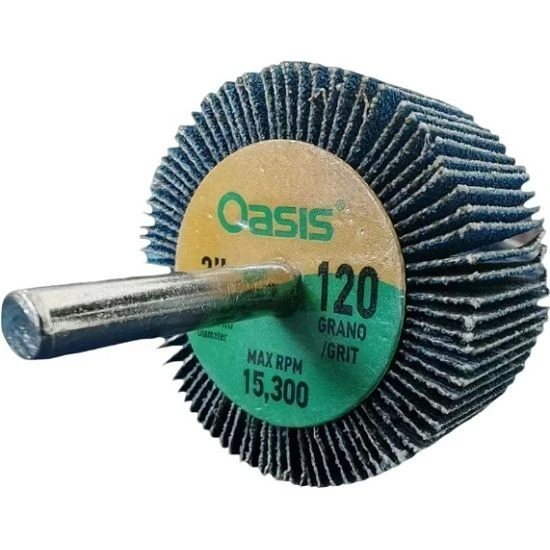
On the other hand, if you're sanding wood, you can go for a flap disc with a softer abrasive, like garnet. Garnet is great for wood because it gives a smooth finish without scratching the surface too much. You can check out our Universal Flap Disc page for options suitable for different materials.
Coating and Bonding
The coating and bonding of the abrasive flaps also matter a great deal. A good coating can prevent the abrasive grains from clogging up with debris. For example, a ceramic coating can enhance the cutting performance and make the flap disc last longer.
The bonding is what holds the abrasive grains to the flaps. A strong bond means the grains won't fall off easily during use. Look for flap discs with a high - quality resin bond. This type of bond is durable and can withstand the pressure and heat of grinding.
Grit Size
Grit size is all about the coarseness or fineness of the abrasive. A lower grit number, like 36 or 40, means a coarser abrasive. Coarse grits are great for heavy - duty grinding, like removing a lot of material quickly. If you're trying to smooth out a rough metal surface or cut through thick layers of paint, a coarse - grit flap disc is your best bet.
A higher grit number, such as 120 or 180, indicates a finer abrasive. Fine grits are used for finishing work, like getting a smooth, polished look. If you want to give your project that professional touch, a fine - grit flap disc is the way to go.
Size and Shape
The size and shape of the Universal Flap Disc are also important. The diameter of the disc matters because it affects the coverage area. A larger - diameter disc can cover more surface area in less time, which is great for big projects. But it might be a bit cumbersome for detailed work.
As for the shape, some flap discs are flat, while others are conical. Flat flap discs are good for general grinding and sanding on flat surfaces. Conical flap discs, on the other hand, are useful for reaching into tight spaces and working on curved surfaces. We also offer Shaft - mounted Flap Wheel which can be a great alternative for some applications.
Speed and Compatibility
Make sure the flap disc you choose is compatible with your grinder. The operating speed of the grinder and the recommended speed of the flap disc should match. Using a flap disc at a speed that's too high can cause it to break apart, which is not only dangerous but also a waste of money.
Check the manufacturer's specifications to find out the maximum speed of the flap disc. Also, consider the arbor size. The arbor is the part that attaches the flap disc to the grinder. It needs to fit properly to ensure safe and efficient operation.
Quality and Brand Reputation
You can't go wrong by choosing a high - quality Universal Flap Disc from a reputable brand. A well - known brand is more likely to have strict quality control measures in place. They use better materials and manufacturing processes, which means their flap discs will last longer and perform better.
Look for brands that have been in the business for a while and have good customer reviews. You can also ask for recommendations from other professionals in your field. A quality flap disc might cost a bit more upfront, but it will save you money in the long run because you won't have to replace it as often.
Cost - Benefit Analysis
When it comes to cost, it's not just about finding the cheapest option. You need to do a cost - benefit analysis. A cheaper flap disc might seem like a good deal at first, but if it wears out quickly or doesn't perform well, you'll end up spending more in the long run.
Consider the lifespan of the flap disc, the quality of the finish it provides, and how much material it can remove. A more expensive but high - quality flap disc might be a better investment because it will last longer and give you better results.
Making the Right Choice
Now that you know all these factors, it's time to put them together and make the right choice. Start by identifying the material you'll be working on. Then, think about the type of work you need to do - is it heavy - duty grinding or fine finishing?
Based on that, choose the appropriate grit size, coating, and bonding. Make sure the size and shape of the flap disc are suitable for your project, and that it's compatible with your grinder.
If you're still not sure, don't hesitate to reach out to us. We're here to help you pick the perfect Universal Flap Disc for your needs. We have a team of experts who can answer your questions and give you personalized advice.
Conclusion
Choosing the right Universal Flap Disc doesn't have to be a nightmare. By considering factors like the material, coating, grit size, and compatibility, you can find the perfect one for your project. Remember, a good flap disc is an investment in the quality of your work.
If you're interested in purchasing Universal Flap Discs or have any questions about our products, feel free to contact us. We're always happy to assist you with your procurement needs and discuss how our products can meet your specific requirements.
References
- "Handbook of Abrasive Technology" by John C. Keogh
- "Abrasive Machining: Technology, Theory, and Applications" by Ian M. Hutchings