

Hey there! As a supplier of Diamond Cutting Discs, I often get asked about the heat resistance of these bad boys. So, I thought I'd take a few minutes to break it down for you.
First things first, let's talk about what a diamond cutting disc is. It's a tool used for cutting through tough materials like concrete, stone, and metal. The disc is made up of a metal core with diamond particles bonded to the outer edge. These diamonds are what do the actual cutting, and they're incredibly hard - in fact, diamonds are the hardest substance on Earth.
Now, when you're using a diamond cutting disc, you're generating a lot of heat. This is because the friction between the diamonds and the material you're cutting creates energy, which is released as heat. If the disc can't handle this heat, it can start to break down, which means it won't cut as effectively and could even become dangerous to use.
So, what makes a diamond cutting disc heat-resistant? Well, there are a few factors at play.
The Bonding Material
The bonding material is what holds the diamond particles to the metal core of the disc. Different bonding materials have different heat resistance properties. For example, some bonding materials are designed to withstand high temperatures better than others. A high-quality bonding material will be able to keep the diamonds in place even when the disc gets really hot, which means the disc will last longer and cut more efficiently.

The Diamond Quality
Not all diamonds are created equal. The quality of the diamonds used in the cutting disc can have a big impact on its heat resistance. High-quality diamonds are more likely to be able to withstand the heat generated during cutting without breaking down. They're also more likely to stay sharp for longer, which means you'll get a cleaner, more precise cut.
The Design of the Disc
The design of the diamond cutting disc can also affect its heat resistance. For example, some discs have special ventilation holes or grooves that help to dissipate heat. This means that the disc can stay cooler during cutting, which reduces the risk of damage to the diamonds and the bonding material.
Heat Resistance in Different Applications
The heat resistance of a diamond cutting disc can vary depending on the application. For example, if you're using the disc to cut through concrete, you'll generate more heat than if you're using it to cut through a softer material like wood. That's because concrete is a much harder material, and it takes more energy to cut through it.
So, if you're using the disc for heavy-duty applications like cutting through thick concrete or metal, you'll want to choose a disc that has a high heat resistance. On the other hand, if you're using the disc for lighter applications like cutting through tiles or thin metal sheets, you might be able to get away with a disc that has a lower heat resistance.
Comparing Different Types of Cutting Discs
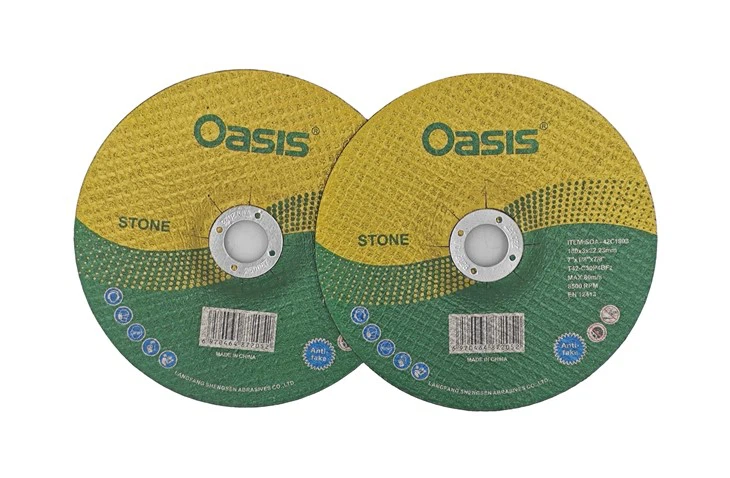
When it comes to heat resistance, diamond cutting discs aren't the only option. There are other types of cutting discs available, such as Alloy&stone Cutting Disc, Universal Cutting Disc, and Ceramic Corundum Cutting Disc.
Alloy&stone Cutting Discs are designed to cut through a variety of materials, including alloy and stone. They typically have a good heat resistance, but they might not be as heat-resistant as diamond cutting discs in some applications.
Universal Cutting Discs are versatile and can be used for a wide range of cutting tasks. However, their heat resistance might not be as high as that of a specialized diamond cutting disc, especially in heavy-duty applications.
Ceramic Corundum Cutting Discs are known for their sharpness and durability. They can handle a fair amount of heat, but again, they might not be able to match the heat resistance of diamond cutting discs in extreme conditions.
Why Heat Resistance Matters
Heat resistance is important for a few reasons. First of all, a cutting disc with good heat resistance will last longer. This means you won't have to replace it as often, which can save you money in the long run. Second, a heat-resistant disc will cut more efficiently. When a disc gets too hot, it can start to lose its cutting ability, which means you'll have to work harder to get the job done. Finally, a heat-resistant disc is safer to use. If a disc breaks down due to overheating, it can be dangerous, as the diamonds and other parts of the disc could fly off.
Choosing the Right Diamond Cutting Disc for Your Needs
When choosing a diamond cutting disc, it's important to consider its heat resistance. Think about the type of material you'll be cutting, the frequency of use, and the intensity of the cutting task. If you're doing heavy-duty cutting on a regular basis, you'll want to invest in a high-quality diamond cutting disc with excellent heat resistance.
If you're not sure which disc is right for you, don't hesitate to reach out. As a supplier of Diamond Cutting Discs, I have a lot of experience and can help you find the perfect disc for your needs. Whether you're a professional contractor or a DIY enthusiast, I can provide you with the information and support you need to make the right choice.
In conclusion, the heat resistance of a diamond cutting disc is an important factor to consider when choosing a cutting tool. By understanding the factors that affect heat resistance, you can make an informed decision and choose a disc that will last longer, cut more efficiently, and keep you safe. So, if you're in the market for a diamond cutting disc, give it some thought and don't be afraid to ask questions. And if you're ready to make a purchase, I'm here to help you with your procurement process. Just get in touch, and we can start the conversation about finding the right diamond cutting disc for you.
References
- “Cutting Tools Handbook.” Industrial Press Inc.
- “Diamond Technology for Cutting and Grinding Applications.” International Journal of Diamond Research.