

Hey there! As a velcro disc supplier, I get asked a lot about the recommended speed for using these handy tools. It's a crucial question because using the right speed can make all the difference in achieving the best results. So, let's dive into it and figure out what speed you should be using for your velcro discs.
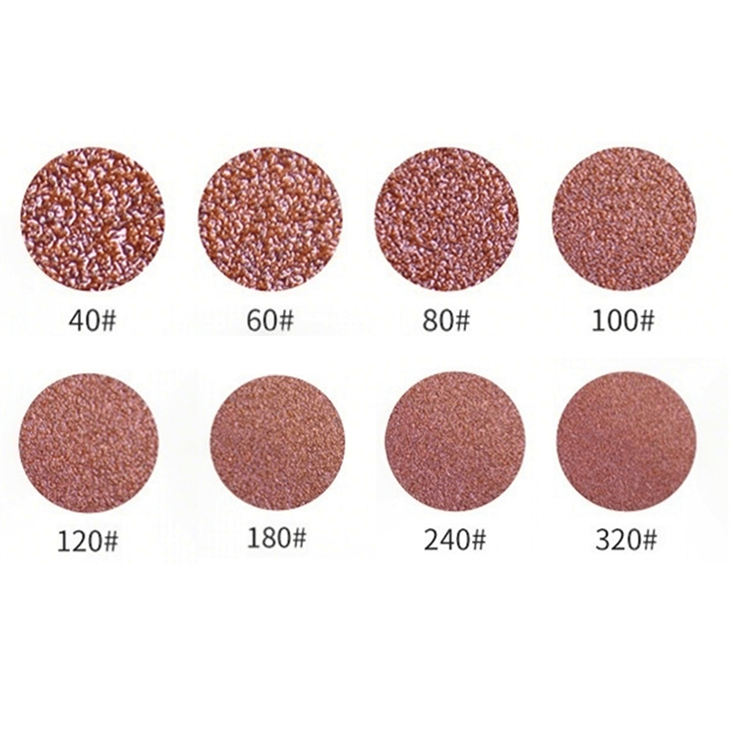

First off, what exactly is a velcro disc? Well, it's a type of sanding disc that uses a hook and loop fastener system to attach to a sander. This makes it super easy to swap out discs when they wear out or when you need to switch to a different grit. You can check out our Hook and Loop Fastener Sanding Disc for more details on the products we offer.
Now, let's talk about speed. The recommended speed for using a velcro disc depends on a few factors, such as the type of material you're sanding, the grit of the disc, and the size of the disc.
Type of Material
Different materials require different sanding speeds. For soft materials like wood, a lower speed is usually sufficient. Wood is more forgiving, and a slower speed helps prevent burning the wood or creating uneven surfaces. A speed of around 1,500 - 2,500 revolutions per minute (RPM) is often a good starting point for sanding wood. This allows the disc to gently remove material without causing too much heat buildup.
On the other hand, when you're sanding harder materials like metal or plastic, you may need a higher speed. Metals, especially, can be tough to sand, and a faster speed (around 3,000 - 5,000 RPM) can help the disc cut through the material more effectively. However, be careful not to go too fast, as this can also cause overheating and damage to the disc or the workpiece.
Grit of the Disc
The grit of the velcro disc also plays a role in determining the recommended speed. Coarse grit discs (e.g., 40 - 80 grit) are designed for heavy material removal. They can handle higher speeds because they're more aggressive. You can use these discs at speeds similar to those recommended for hard materials, around 3,000 - 5,000 RPM. This allows the coarse grit to quickly take off large amounts of material.
As you move to finer grits (e.g., 120 - 220 grit or higher), the speed should be reduced. Finer grits are used for finishing and smoothing the surface. A lower speed, around 1,500 - 2,500 RPM, helps prevent scratching and ensures a smooth, even finish. Using a high speed with a fine grit disc can cause the disc to wear out quickly and may not give you the desired smoothness.
Size of the Disc
The size of the velcro disc is another factor to consider. Smaller discs generally work well at higher speeds because they have less surface area in contact with the material. For example, a 3 - inch disc can often be used at speeds up to 5,000 RPM, depending on the material and grit.
Larger discs, like 6 - inch or 8 - inch ones, should be used at lower speeds. The larger surface area means more friction, and using a high speed can lead to excessive heat and uneven sanding. A speed of around 1,500 - 3,000 RPM is usually appropriate for larger discs.
Tips for Finding the Right Speed
- Start Slow: If you're not sure what speed to use, start at a lower speed and gradually increase it. This allows you to see how the disc and the material are reacting. You can always adjust the speed based on the results you're getting.
- Test on a Scrap Piece: Before you start sanding your actual workpiece, test the disc and speed on a scrap piece of the same material. This gives you a chance to fine - tune the speed and make sure you're getting the right finish.
- Listen to the Sander: Pay attention to the sound of the sander. If it's making a loud, grinding noise, it could be a sign that the speed is too high or the disc is not cutting properly. If it's barely making any noise, the speed might be too low.
The Importance of Using the Right Speed
Using the recommended speed for your velcro disc has several benefits. Firstly, it extends the life of the disc. When you use the right speed, the disc wears out more evenly, which means you can get more use out of it before having to replace it.
Secondly, it improves the quality of your sanding. Whether you're sanding for a smooth finish on a piece of furniture or preparing a metal surface for painting, using the correct speed ensures that you get a consistent, professional - looking result.
Finally, it's safer. Using the wrong speed can cause the disc to break or fly off the sander, which can be extremely dangerous. By following the recommended speeds, you reduce the risk of accidents.
Conclusion
So, there you have it! The recommended speed for using a velcro disc depends on the type of material, the grit of the disc, and the size of the disc. Remember to start slow, test on a scrap piece, and pay attention to the sound of the sander. By using the right speed, you'll get better results, extend the life of your discs, and stay safe.
If you're interested in purchasing high - quality velcro discs, we're here to help. We offer a wide range of Hook and Loop Fastener Sanding Disc to meet your needs. Whether you're a professional woodworker, a DIY enthusiast, or someone working on a small project, we've got the right disc for you. Feel free to reach out to us to discuss your requirements and start a procurement conversation. We're looking forward to working with you!
References
- Woodworking magazines and online forums for general wood sanding speed guidelines.
- Metalworking industry standards and technical resources for metal sanding speeds.
- Manufacturer's guidelines for specific velcro disc products.