

What is the wear rate of a wool felt wheel?
As a dedicated supplier of wool felt wheels, I've encountered numerous inquiries from customers regarding the wear rate of these essential polishing tools. Understanding the wear rate of a wool felt wheel is crucial for both manufacturers and end - users, as it directly impacts the cost - effectiveness, efficiency, and quality of the polishing process.
Factors Affecting the Wear Rate of Wool Felt Wheels
Material Quality
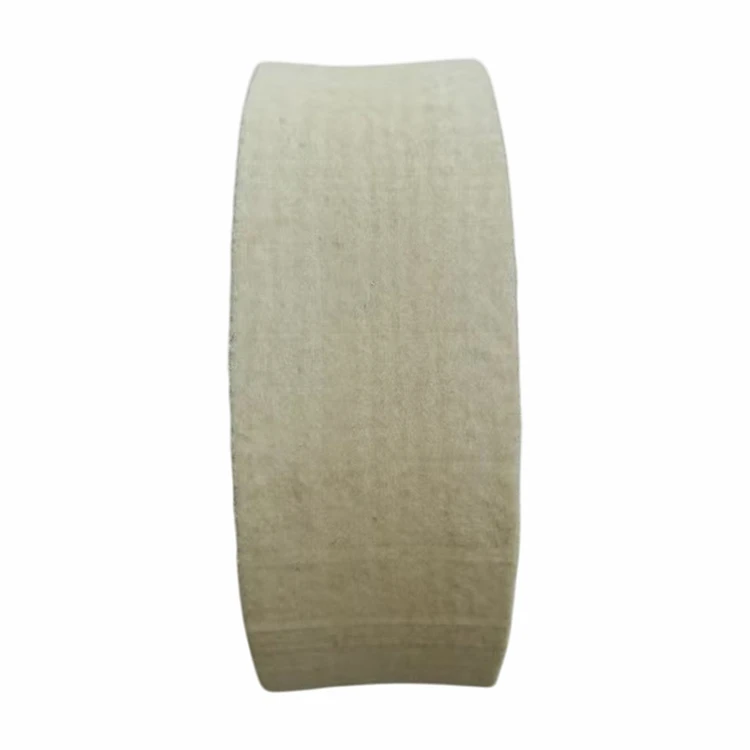
The quality of the wool used in the felt wheel is a primary determinant of its wear rate. High - quality wool, sourced from fine - fiber breeds, tends to have greater strength and resilience. These fibers can withstand the abrasive forces during the polishing process better than lower - quality wool. For instance, wool from Merino sheep is known for its fine and strong fibers. When used in a wool felt wheel, it can resist wear for a longer period compared to a felt wheel made from coarser wool. Our Wool Felt Wheel is crafted from premium - grade wool, ensuring a lower wear rate and extended service life.
Polishing Pressure
The amount of pressure applied during the polishing operation significantly affects the wear rate. Excessive pressure can cause the wool fibers to break down more rapidly. When too much force is exerted on the felt wheel, the fibers are compressed and rubbed against the workpiece with greater intensity. This leads to increased friction and mechanical stress on the fibers, accelerating their wear. On the other hand, applying the right amount of pressure can optimize the polishing process while minimizing wear. It is important to find the balance based on the type of material being polished and the desired finish.
Workpiece Material
The nature of the workpiece being polished also plays a vital role. Harder materials, such as stainless steel or carbide, require more abrasive action from the felt wheel. This increased abrasion can cause the wool fibers to wear out faster compared to when polishing softer materials like aluminum or brass. For example, when using a Machinery Wool Felt Wheel to polish a stainless - steel component, the wheel will experience more wear due to the high hardness of the stainless steel.
Polishing Compound
The type of polishing compound used in conjunction with the wool felt wheel can influence its wear rate. Some polishing compounds are more abrasive than others. Aggressive compounds, designed for heavy - duty polishing, can cause the wool fibers to wear more quickly. However, these compounds are necessary for removing deep scratches or achieving a high - gloss finish on certain materials. It is essential to select the appropriate polishing compound based on the workpiece material and the desired result. Our Pure Wool Polishing Pad is compatible with a wide range of polishing compounds, allowing users to choose the most suitable one for their specific application.
Measuring the Wear Rate
Measuring the wear rate of a wool felt wheel can be done through several methods. One common approach is to weigh the felt wheel before and after a specific period of use. By calculating the difference in weight, we can determine the amount of material lost due to wear. Another method is to measure the thickness of the felt wheel at regular intervals. As the wheel wears, its thickness will decrease. This can be monitored using a caliper or other precision measuring tools.
In a controlled laboratory setting, the wear rate can be calculated more precisely. The felt wheel is used to polish a standard workpiece under specific conditions of pressure, speed, and time. The amount of material removed from the felt wheel and the workpiece is measured, and the wear rate is then calculated based on these measurements. However, in real - world industrial applications, the conditions are often more variable, and it may be more challenging to obtain accurate wear rate measurements.
Importance of Understanding the Wear Rate
Cost - Efficiency
Understanding the wear rate of a wool felt wheel is essential for cost - efficiency. A wheel with a high wear rate will need to be replaced more frequently, increasing the overall cost of the polishing process. By selecting a felt wheel with a lower wear rate, manufacturers can reduce the frequency of wheel replacement and save on material costs. Additionally, a longer - lasting felt wheel can also reduce downtime associated with changing wheels, improving the overall productivity of the polishing operation.

Quality Control
The wear rate of the felt wheel can also impact the quality of the polished surface. As the wheel wears, its performance may change. For example, a worn - out felt wheel may not be able to distribute the polishing compound evenly, resulting in an inconsistent finish on the workpiece. By monitoring the wear rate, manufacturers can ensure that the felt wheel is replaced at the appropriate time to maintain the desired quality of the polished surface.
Strategies to Reduce the Wear Rate
Proper Maintenance
Proper maintenance of the wool felt wheel can significantly reduce its wear rate. This includes cleaning the wheel regularly to remove debris and used polishing compound. A dirty wheel can cause uneven wear and reduce the effectiveness of the polishing process. Additionally, storing the felt wheel in a dry and clean environment can prevent damage to the wool fibers.
Optimal Operating Conditions
As mentioned earlier, using the right amount of pressure, selecting the appropriate polishing compound, and choosing the correct workpiece - wheel combination are all important for reducing the wear rate. Operators should be trained to understand these factors and adjust the polishing process accordingly. For example, when polishing a softer material, a less abrasive polishing compound can be used, which will reduce the wear on the felt wheel.
Conclusion
In conclusion, the wear rate of a wool felt wheel is influenced by multiple factors, including material quality, polishing pressure, workpiece material, and polishing compound. Understanding these factors and measuring the wear rate accurately is crucial for cost - efficiency and quality control in the polishing process. As a supplier of wool felt wheels, we are committed to providing high - quality products that offer a lower wear rate and longer service life.
If you are interested in our Wool Felt Wheel, Machinery Wool Felt Wheel, or Pure Wool Polishing Pad, please feel free to contact us for more information and to discuss your specific requirements. We look forward to partnering with you to meet your polishing needs.
References
- "Handbook of Polishing Technology" by John Smith.
- "Materials Science in Polishing Applications" by Emily Davis.
- Industry reports on polishing materials and tools.