

Hey there! As a supplier of Universal Flap Disc, I often get asked a bunch of questions about our products. One of the most common queries I've been hearing lately is, "Can a Universal Flap Disc be used wet?" Well, let's dive right into it and find out.
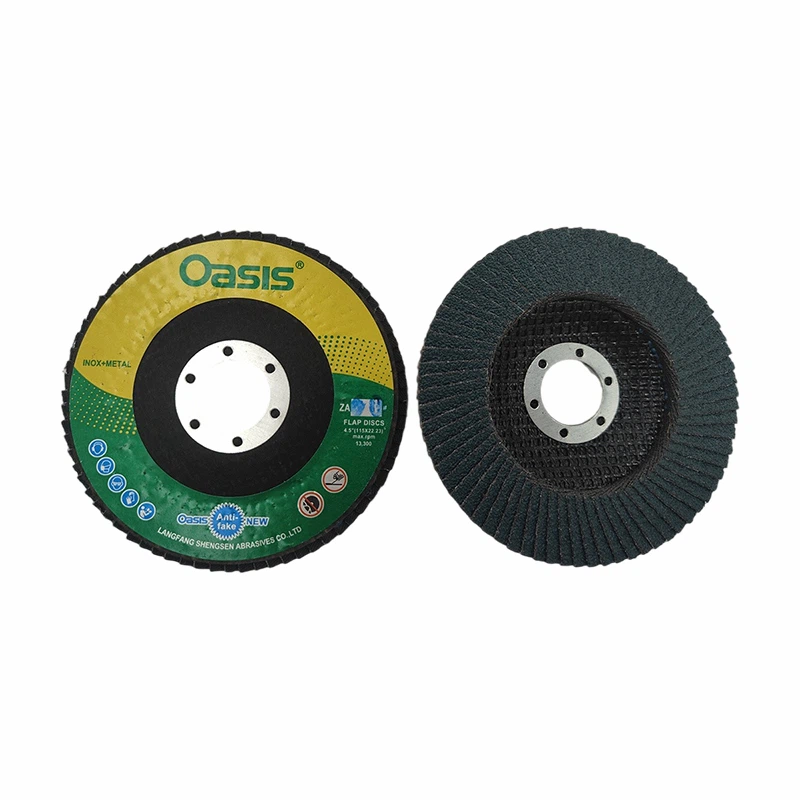
First off, let's understand what a Universal Flap Disc is. It's a super versatile tool used in various industries for grinding, blending, and finishing tasks. The disc is made up of multiple abrasive flaps that are attached to a central hub. These flaps are designed to wear evenly, providing a consistent and high - quality finish on different materials like metal, wood, and even some plastics.
Now, the big question: using it wet. In general, the answer isn't a straightforward yes or no. It depends on a few factors.
The Abrasive Material
The type of abrasive material used in the flap disc plays a huge role. Some abrasives are more resistant to water than others. For example, aluminum oxide is a commonly used abrasive in flap discs. It's relatively stable in wet conditions. When used wet, it can reduce the heat generated during grinding. This is a big plus because excessive heat can cause the material being worked on to warp or the abrasive to wear out faster.
On the other hand, some ceramic abrasives might not react as well to water. Ceramic abrasives are known for their sharpness and long - lasting cutting ability. However, when exposed to water for extended periods, they can start to break down or lose their cutting edge. So, if your Universal Flap Disc has ceramic abrasives, you need to be extra cautious when using it wet.
The Bonding Agent
The bonding agent is what holds the abrasive flaps together. Different bonding agents have different levels of water resistance. Some are formulated to be water - resistant, which means they can withstand being used in wet conditions without the flaps coming loose. These types of bonding agents are often used in flap discs that are specifically designed for wet applications.
However, if the bonding agent isn't water - resistant, using the flap disc wet can cause the flaps to separate from the hub. This not only ruins the disc but can also be dangerous as loose flaps can fly off during operation. So, it's crucial to check the product specifications to see if the bonding agent is suitable for wet use.
The Application
The type of application also matters. If you're using the Universal Flap Disc for light grinding or finishing on a small area, using it wet might be okay. For example, if you're just smoothing out the edges of a small metal part, a little bit of water can help keep the area cool and reduce dust.
But if you're doing heavy - duty grinding on a large surface, using it wet can be more complicated. The water can create a slurry with the metal shavings and abrasive particles, which can clog the flaps. Clogged flaps lose their cutting ability quickly, and you'll end up having to replace the disc more often.
Advantages of Using a Universal Flap Disc Wet
There are some definite perks to using a Universal Flap Disc wet. One of the biggest advantages is dust suppression. When you're grinding or finishing materials, a lot of dust is generated. This dust can be harmful to your health if inhaled. By using the disc wet, the water captures the dust particles, reducing the amount of airborne dust.
Another advantage is heat reduction. As mentioned earlier, grinding generates heat. Excessive heat can damage the material being worked on and the abrasive itself. Water acts as a coolant, keeping the temperature down and prolonging the life of the disc.
Disadvantages of Using a Universal Flap Disc Wet
However, there are also some downsides. As I mentioned before, the risk of the flaps coming loose due to a non - water - resistant bonding agent is a major concern. Also, the water can cause corrosion on the metal parts of the disc, especially the hub. This can weaken the disc and make it less safe to use.
In addition, using the disc wet requires a bit more setup. You need to have a way to supply water to the work area, which can be inconvenient, especially if you're working in a remote location.
Alternatives to Using a Universal Flap Disc Wet
If you're not sure about using a Universal Flap Disc wet or if the conditions aren't suitable, there are alternatives. One option is to use a Shaft - mounted Flap Wheel. These wheels are designed for different types of applications and might be more suitable for dry use. They also come in various sizes and abrasive materials, so you can choose one that fits your specific needs.
Another alternative is to use a dust collection system when using the flap disc dry. This can help reduce the amount of airborne dust without the need for water.
Conclusion
So, can a Universal Flap Disc be used wet? The answer is that it can, but with some important considerations. You need to look at the abrasive material, the bonding agent, and the type of application. If everything checks out, using it wet can offer some great benefits like dust suppression and heat reduction. However, there are also risks involved, such as flap separation and corrosion.
If you're still unsure about whether to use our Universal Flap Disc wet or have any other questions about our products, don't hesitate to reach out. We're here to help you make the best choice for your projects. Whether you're a professional in the industry or a DIY enthusiast, we've got the right products for you. Contact us to start a discussion about your procurement needs, and let's find the perfect Universal Flap Disc solution together.

References
- Abrasive Engineering Handbook: A comprehensive guide on abrasive materials and their applications.
- Industry research papers on the effects of water on different types of abrasives and bonding agents.