

A universal flap disc is a versatile and widely used abrasive tool in various industries, known for its ability to perform multiple tasks such as grinding, blending, and finishing. As a supplier of Universal Flap Disc, I often receive inquiries about the lifespan of these products. Understanding the lifespan of a universal flap disc is crucial for both manufacturers and end - users, as it directly impacts productivity, cost - effectiveness, and overall performance.
Factors Affecting the Lifespan of a Universal Flap Disc
Abrasive Grain Quality
The quality of the abrasive grain is one of the most significant factors influencing the lifespan of a universal flap disc. High - quality abrasive grains, such as zirconia alumina or ceramic alumina, are more durable and have better cutting performance compared to lower - quality grains. Zirconia alumina grains, for example, are tough and self - sharpening. They can maintain their cutting edge for a longer time, even when working on hard materials like stainless steel or high - carbon steel. On the other hand, lower - quality abrasive grains may wear out quickly, leading to a shorter lifespan of the flap disc.
Workpiece Material
The type of workpiece material being processed also plays a vital role in determining the lifespan of a universal flap disc. Softer materials like aluminum or wood are easier to grind and finish, and the flap disc will generally last longer when used on these materials. In contrast, harder materials such as titanium alloys or hardened steels require more aggressive cutting, which puts more stress on the abrasive grains. As a result, the flap disc will wear out faster when working on hard materials. For instance, when grinding a titanium alloy part, the high hardness and toughness of the material can cause the abrasive grains to break down more rapidly, reducing the lifespan of the flap disc.
Operating Pressure
The amount of pressure applied during the grinding or finishing process is another critical factor. Excessive operating pressure can cause the abrasive grains to break off prematurely, leading to a shorter lifespan of the flap disc. When too much pressure is applied, the grains are forced to cut more aggressively, which can result in overheating and rapid wear. On the other hand, if the operating pressure is too low, the flap disc may not be able to cut effectively, and the process will be inefficient. Therefore, it is essential to find the right balance of operating pressure to maximize the lifespan of the flap disc.
Rotational Speed
The rotational speed of the power tool used with the universal flap disc also affects its lifespan. If the rotational speed is too high, the centrifugal force can cause the abrasive flaps to fly off or the grains to wear out quickly. Conversely, a too - low rotational speed may not provide enough cutting action, leading to a longer processing time and potentially uneven wear of the flap disc. Different flap discs are designed for specific rotational speeds, and it is crucial to follow the manufacturer's recommendations to ensure optimal performance and lifespan.
Estimating the Lifespan of a Universal Flap Disc
It is challenging to provide an exact lifespan for a universal flap disc because of the many variables involved. However, we can estimate the lifespan based on some general guidelines. For light - duty applications, such as finishing small aluminum parts, a high - quality universal flap disc can last for several hours of continuous use. In medium - duty applications, like grinding mild steel components, the lifespan may range from 1 to 3 hours. For heavy - duty applications, such as grinding thick stainless steel plates, the flap disc may only last for 30 minutes to 1 hour.
To get a more accurate estimate, it is advisable to conduct some tests in a controlled environment. Start by using the flap disc on a sample workpiece similar to the actual parts you will be processing. Record the time it takes for the flap disc to lose its cutting effectiveness or for the abrasive flaps to wear down significantly. Repeat the test several times to get an average lifespan.
Extending the Lifespan of a Universal Flap Disc
Proper Storage
Proper storage of universal flap discs is essential for maintaining their quality and extending their lifespan. Flap discs should be stored in a dry, cool place away from direct sunlight and moisture. Exposure to high humidity can cause the abrasive grains to rust or the bonding agent to weaken, reducing the performance of the flap disc. It is also recommended to store the flap discs in their original packaging or in a sealed container to protect them from dust and debris.
Regular Inspection
Regularly inspecting the flap disc during use can help identify signs of wear and damage early. Check for loose or missing abrasive flaps, excessive wear on the edges, or any signs of overheating. If you notice any issues, stop using the flap disc immediately and replace it. This can prevent further damage to the workpiece and ensure safe operation.
Using the Right Power Tool
Using the right power tool for the job is crucial for extending the lifespan of the flap disc. Make sure the power tool has the appropriate power and rotational speed for the type of flap disc you are using. Using a power tool that is too powerful or has an incorrect rotational speed can cause the flap disc to wear out quickly or even break.

Comparison with Other Abrasive Tools
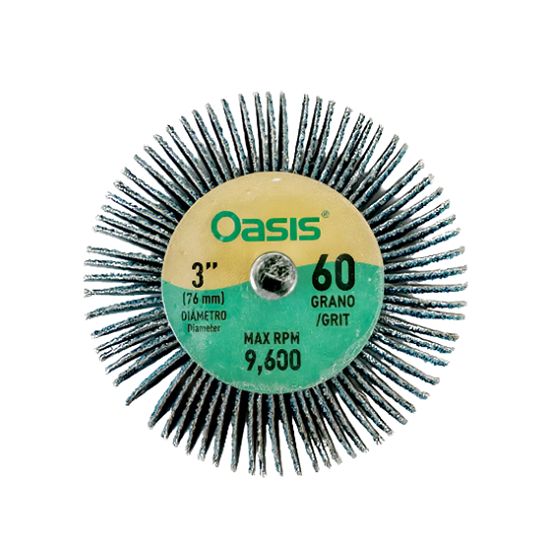
When comparing the lifespan of a universal flap disc with other abrasive tools, such as Shaft - mounted Flap Wheel, there are some differences. Shaft - mounted flap wheels are typically used for more specialized applications, such as internal grinding or finishing in hard - to - reach areas. They may have a shorter lifespan in general, especially when used in high - stress applications. However, their design allows for more flexibility in certain operations.
Universal flap discs, on the other hand, are more versatile and can be used for a wider range of applications. Their lifespan can be optimized through proper use and maintenance, making them a cost - effective choice for many industries.
Conclusion
In conclusion, the lifespan of a universal flap disc is influenced by multiple factors, including abrasive grain quality, workpiece material, operating pressure, and rotational speed. While it is difficult to provide an exact lifespan, estimates can be made based on the type of application. By following proper storage, inspection, and usage practices, the lifespan of a universal flap disc can be extended, leading to cost savings and improved productivity.
If you are in the market for high - quality universal flap discs or have any questions about their lifespan and performance, I encourage you to contact us for a detailed discussion. We can provide you with the right products and advice to meet your specific needs.
References
- "Abrasive Technology Handbook", Industrial Abrasives Association
- "Advanced Grinding and Finishing Techniques", Journal of Manufacturing Science and Engineering